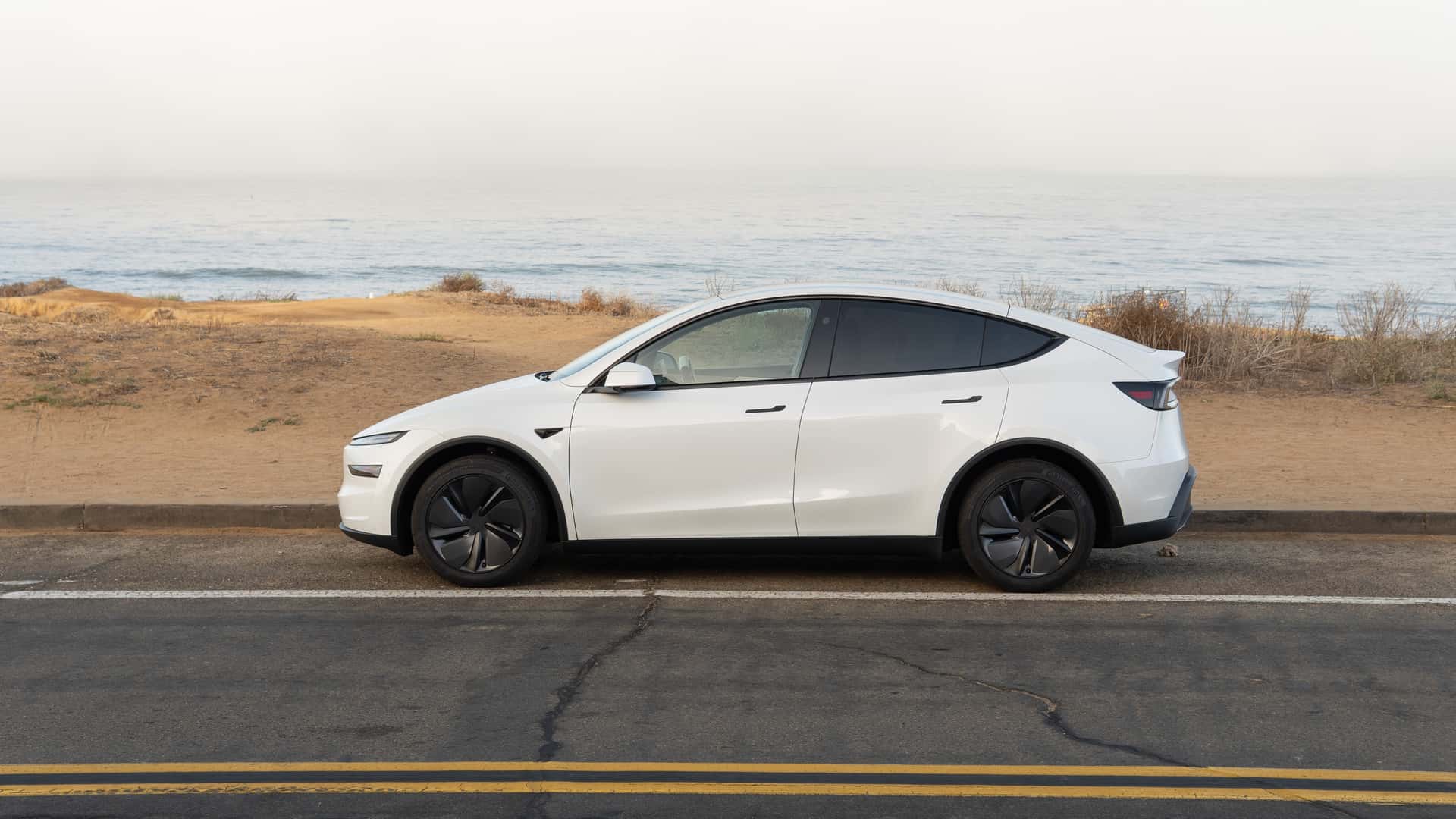
The $7,500 EV tax credit may have met a premature end last year, but first-time EV buyers in California can now get thousands off of an EV purchase thanks to an incentive program passed earlier this year. Now that the MyFirstEV program is kicking off, we know more about how exactly it works and which new and used EVs qualify.
For a couple of months now, we've known the basic contours of the program. It provides an up-front, $3,500 discount for purchases of new EVs, and $1,750 for used ones. New EVs must carry an MSRP of $50,000 or less, while secondhand cars can't go for more than $25,000. These caps don't apply to California-headquartered EV companies, so Lucid and Rivian are exempt. And buyers will have to fill out a form attesting to the fact that they haven't owned an EV before.
 View Price on Amazon
Rivian and Lucid aren't subject to the same price caps as other manufacturers, since they are headquartered in California. The state of California and participating manufacturers are splitting the cost of each rebate. Last month, California laid out which car companies are participating in the program. Now, according to a bulletin published by the California Air Resources Board (CARB), we know when they're coming on board.
The state has also shared new details about the cars from those manufacturers that qualify. Hydrogen fuel-cell cars qualify, while plug-in hybrids don't. Carmakers will decide which models and trim levels are eligible, according to CARB. Tesla, for example, is advertising that the MyFirstEV discount applies to vehicles in its inventory, rather than custom orders.
On the used side, there are some new wrinkles to keep in mind too. CARB says used vehicles must be at least two model years older than the year of purchase—meaning that today only 2024 and older vehicles qualify. Perhaps more importantly, the incentive only applies to certified pre-owned EVs sold through franchised dealerships. So used EVs at independent dealerships or EV specialty stores don't count.
California says the $135.5 million program (an amount matched by the partnering manufacturers) could incentivize the sale of over 73,000 clean vehicles. But there's a reason to move quickly. This is a limited pool of funding, with all the participating manufacturers splitting the pie equally, the CARB spokesperson told InsideEVs.
Source: insideevs.com

