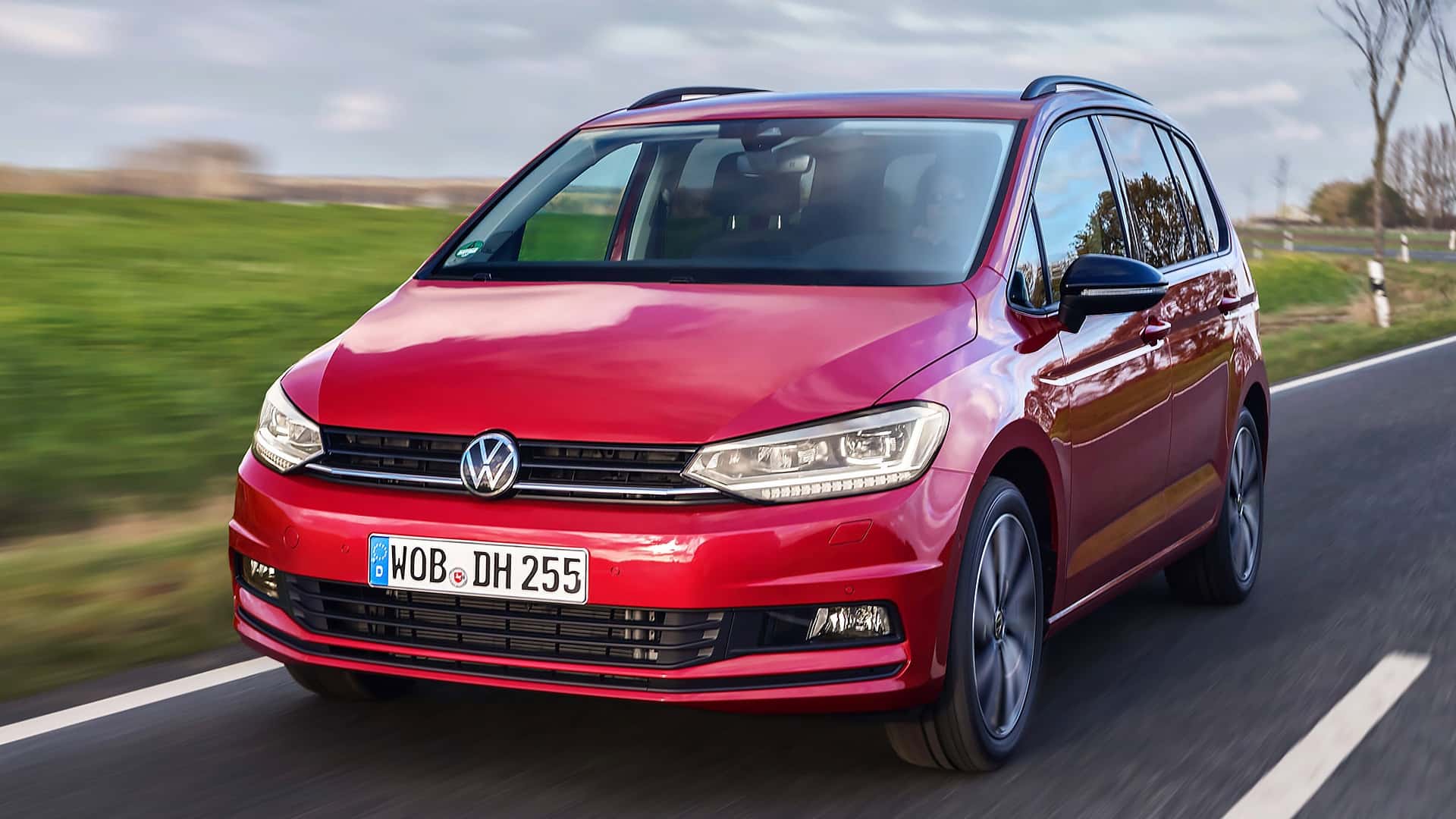
As of April 29, 2026, it's official: the Volkswagen Touran is dead. On that day, the model's last example rolled off the line in Wolfsburg. It's not a huge surprise—at a little over 11 years old, the second-generation compact minivan was by far the oldest model in Volkswagen's local lineup.
Between December 2002 and December 2025, a total of 1,070,558 Tourans were newly registered in Germany. With 95,408 units, 2004 was the model's strongest sales year. In total, around 2.3 million Tourans were built, most recently at roughly 20,000 units per year. Last year in Germany, more than 14,000 Tourans were newly registered; at its peak, it was over 52,000.
 View Price on Amazon
That means VW now has no minivan left in its lineup. As the reason for the production stop, Volkswagen says the Touran does not comply with the UN "General Safety Regulation II, Stage C" that takes effect on July 6, 2026, meaning it can no longer be newly registered without an exemption.
Auto 5000 GmbH marked a distinctive chapter in Volkswagen history that's closely tied to the Touran's success. At the start of the millennium, VW faced the challenge of building its new compact minivan cost-effectively in Germany rather than moving production to lower-wage countries.
The Touran's success initially validated the concept; the Touran quickly became a segment leader. The portfolio expanded only with the Tiguan's 2007 launch, but the Touran remained the defining face of the "5000" initiative.
Since 2024, the engine lineup has been limited to the 1.5 TSI with 150 horsepower and the 2.0 TDI with 122 horsepower or 150 horsepower. There is no direct successor to the Touran; in terms of size, the Tiguan is comparable. But seven seats are only offered as an option in the significantly larger Tayron.
Source: motor1.com

