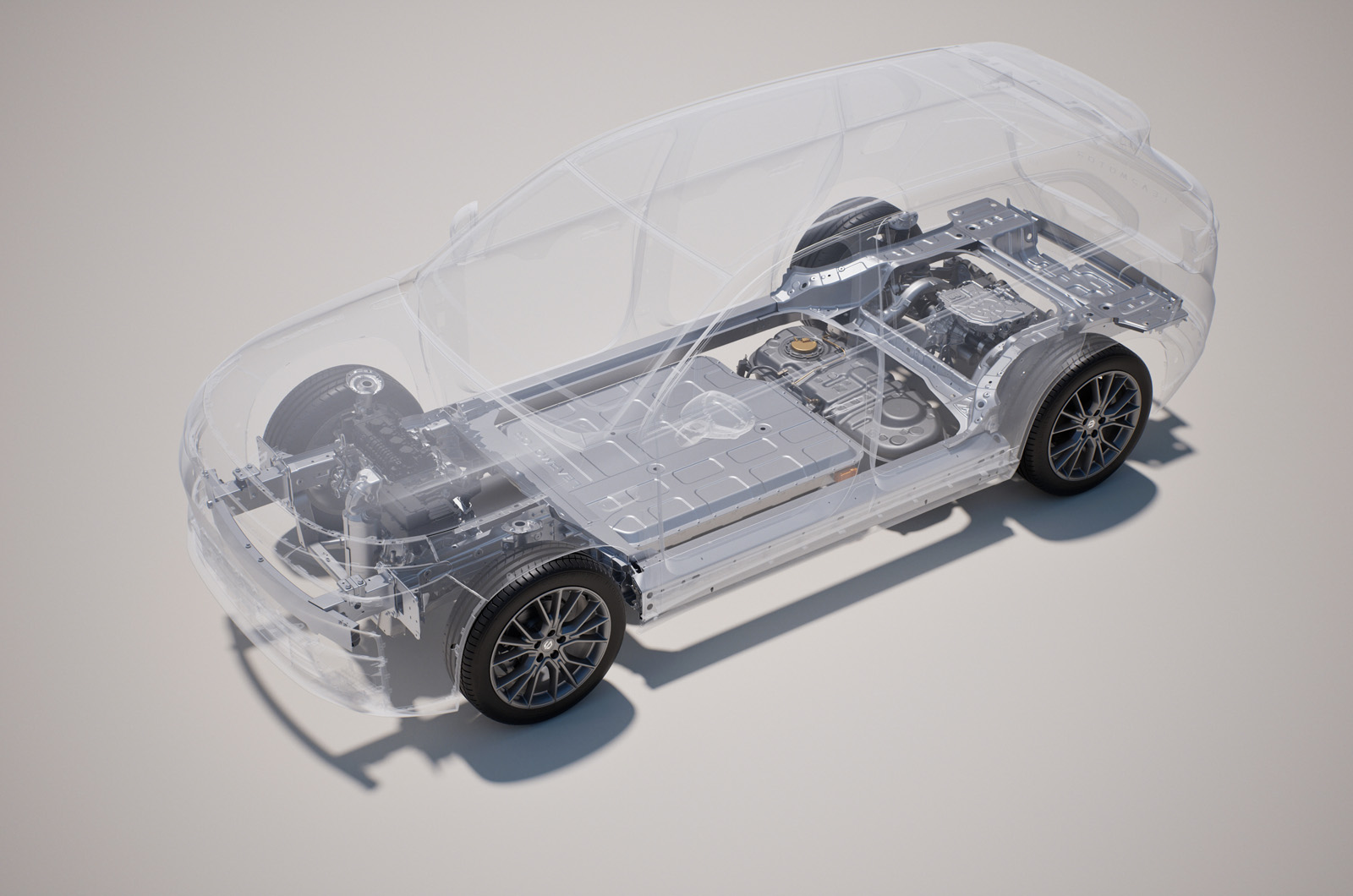
US car makers are divided on whether upcoming replacements for big-selling family cars should come with the option of a plug-in hybrid drivetrain or not. The arguments are compelling on both sides. Offering a car with both an electric motor and a combustion engine hedges your bets and keeps hold of customers skeptical of going electric. On the other hand, going all-electric avoids the expensive duplication of drivetrains, one of which might not even be allowed after 2035.
 View Price on Amazon
Car makers are considering the cost and benefits of each option. Plug-in hybrid electric vehicles (PHEVs) can offer the best of both worlds, with the ability to drive in electric mode for short distances and switch to gasoline power for longer trips. However, they are often more expensive than traditional gasoline-powered cars. Range-extending (REx) technology, on the other hand, uses a small gasoline engine to charge the battery, allowing for longer driving distances without the need for a large battery pack.
Source: autocar.co.uk

