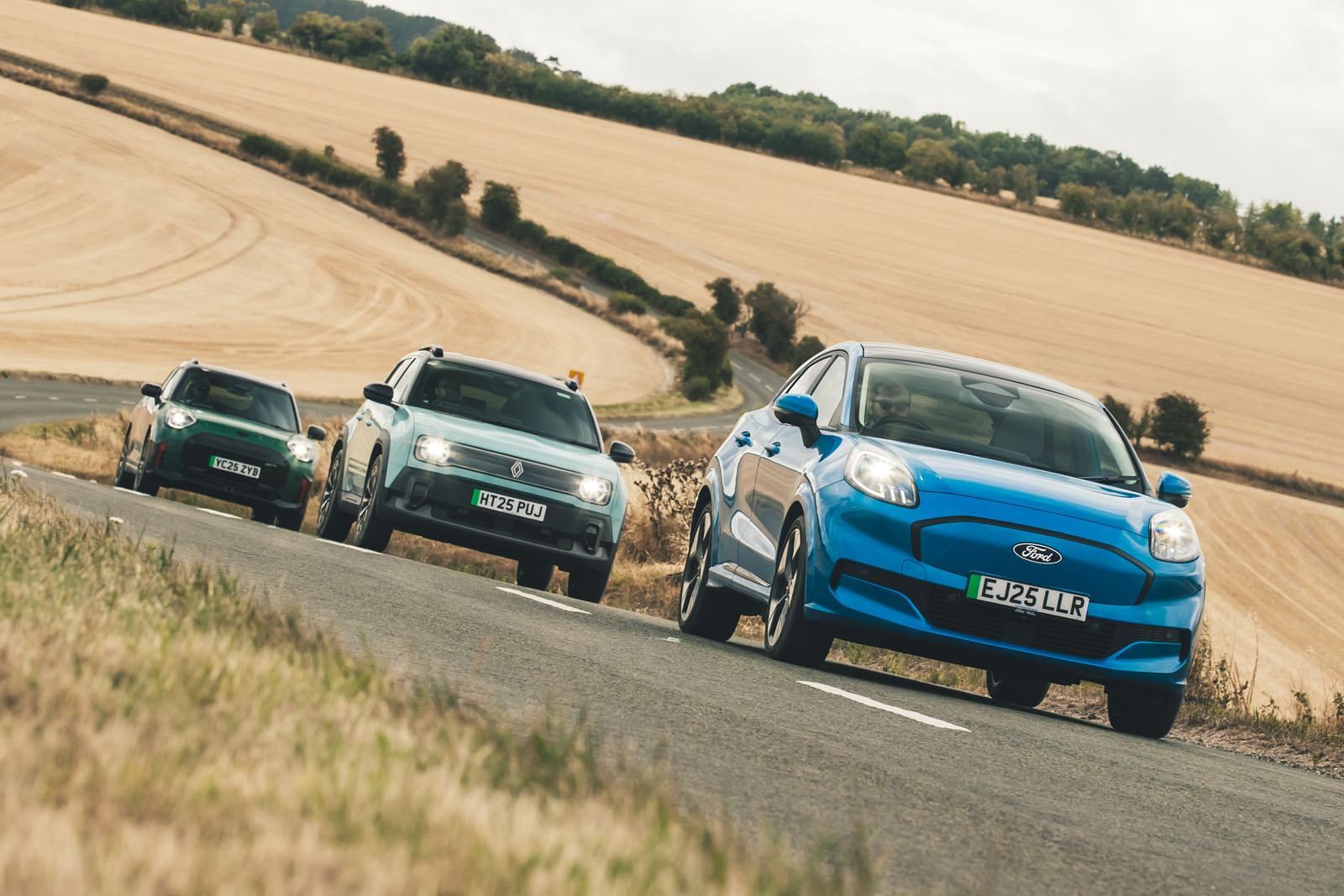
The UK government is set to soften the Zero Emissions Vehicle mandate, which requires car manufacturers to sell an increasing proportion of electric vehicles annually. Under the mandate, a third of every car maker's UK sales must be electric in 2026, rising to 38% in 2027, 52% in 2028, 66% in 2029, and 80% in 2030.
The legislation does allow firms to meet their quotas by buying surplus 'credits' from other manufacturers, or by converting reductions in emissions from their combustion-engined fleet into credits. However, those who fall short of their ZEV targets face fines of up to $15,000 per car sold over the allowance.
In 2030, sales of new pure-combustion-engined vehicles – those without any form of hybridization – will be outlawed. Second-hand vehicles will not be affected by the ban.
 View Price on Amazon
As first reported by The Times, the government will meet with the UK car industry this week to discuss softening the mandate so that only 50% of all sales must be electric in 2030. Citing government sources, several reports – including from The Guardian – suggest the 2030 ban on sales of new pure-combustion cars, and the outlawing of new hybrids five years later, will remain in place.
Car makers had lobbied intensely about the dramatic ramp-up in EV sales that they will be forced to enact in the coming years. Many had already turned to discounting to stimulate sales of EVs, warning the practice is unsustainable.
For example, Volkswagen sales boss Martin Sander told Autocar in March that it could be forced to raise prices of its combustion-engined cars to offset losses made on EVs – which would also make its EVs a more attractive proposition, in comparison.
Meanwhile, Stellantis Europe chief Emmanuele Capellano told Autocar the group – which owns Citroën, Fiat, Peugeot, and Vauxhall, among others – may shrink its UK operations because of the losses.
Source: autocar.co.uk

