An earthquake with a magnitude of 7.1 struck the Kumamoto area in southwestern Japan on July 28, causing destruction and disrupting the operations of Toyota and Nissan plants in the region. The earthquake has resulted in at least 13 fatalities and damaged buildings, roads, and power supplies. Although the plants were not directly affected, supply chain issues and safety concerns led to the temporary suspension of production.
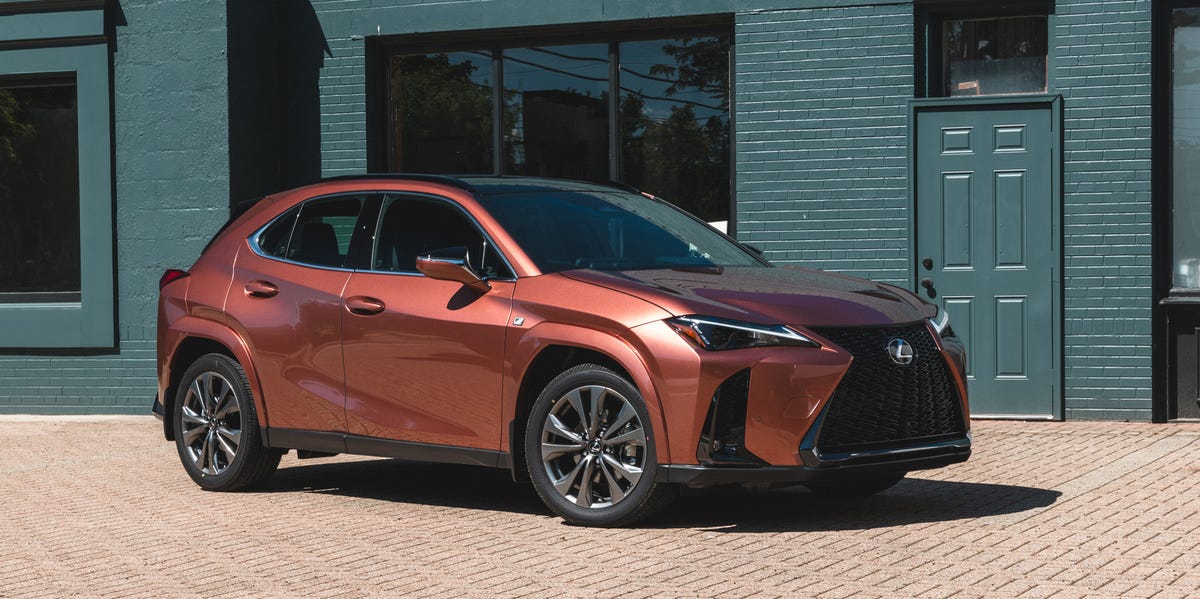
About 90 percent of Lexus vehicles manufactured at Toyota's Miyata assembly plant are exported to countries like the United States. The ES sedan, RX compact SUV, and UX and NX subcompact SUVs are all produced at the Miyata plant and shipped to the US. Nissan's affected plants produce the Infiniti QX80 and the Nissan Armada, among other vehicles sold in global markets.
 View Price on Amazon
Toyota initially suspended operations at its three plants for one shift after the quake on Tuesday. After attempting to restart on Wednesday morning, it announced a suspension until Friday, which will impact production for its engine, hybrid powertrain, and Lexus assembly plants. The three-day shutdown applies to all lines and will likely cause around 5,200 units of lost vehicle output. Nissan's shutdown, which began on Wednesday, is less severe and only affects certain lines, though its end date is unknown.
Nissan cited issues with parts availability for its partial shutdown. The Kumamoto area is home to auto parts manufacturers that supply Toyota and Nissan, and any damages or shutdowns within those companies could have lasting effects on Toyota and Nissan's final output abilities, even with fully functional plants. At least two parts suppliers have already suspended operations.
While Toyota and Nissan's factories appear to be unaffected, supplier shutdowns and nearby infrastructure damage could cause longer-lasting supply and delivery issues. A few days likely won't have a huge impact on vehicle quantities in the United States, but prolonged periods of supply chain issues in the aftermath of the earthquake could be troublesome, especially considering that a substantial chunk of Lexus' US lineup comes from Toyota's Miyata plant.
Source: caranddriver.com