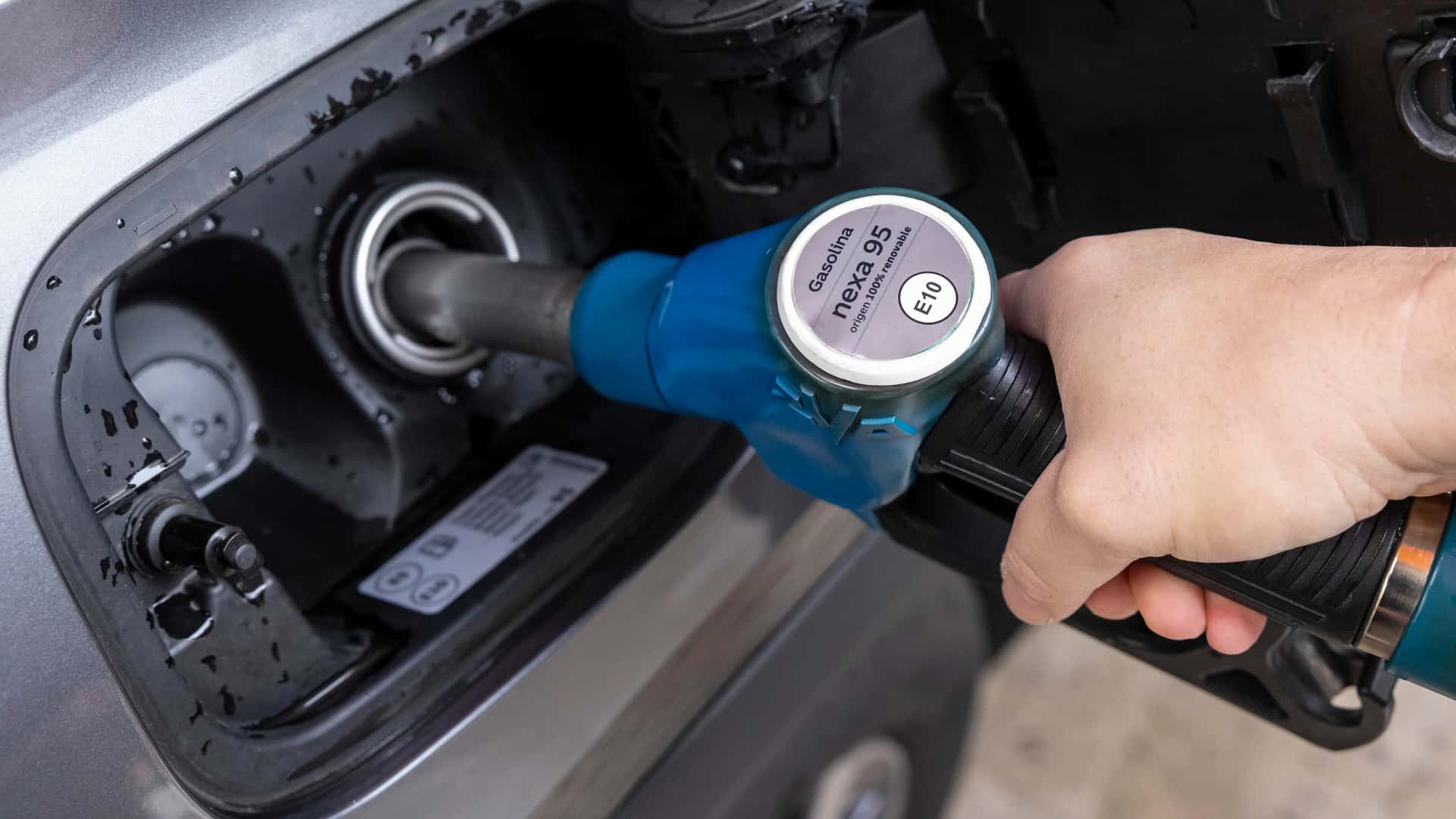
Toyota and BMW are testing renewable gasoline, which promises to slash emissions by over 70%. The two automakers have partnered with Repsol and Bosch to deploy a fleet of roughly 20 cars that will run on Repsol's Nexa 95 fuel exclusively for the next six months. Meanwhile, Bosch will provide a digital fuel tracking system.
The experiment began this month in Spain, where Repsol prides itself on being the country's only supplier of 100% renewable gas at public service stations. Compared to e-fuels, which are synthetic fuels manufactured using captured carbon monoxide or carbon dioxide, as well as hydrogen obtained from water splitting, renewable fuels are produced from organic waste.
 View Price on Amazon
Repsol claims that one of the main strengths of renewable fuels is that the carbon dioxide that's released after they're burned is equal to the carbon dioxide that was absorbed by the organic matter during their useful life. What's more, renewable fuels, as well as e-fuels, can be used as drop-in replacements for conventional fuels, which are manufactured from minerals.
That might not mean much for American car owners, but over in the European Union, more environmentally friendly fuels will play a big role in the future of the combustion vehicle. That's because the famed 2035 gas ban was slightly watered down late last year, allowing automakers to continue selling cars with emissions past the 2035 deadline, as long as they use EU-made low-carbon steel in the vehicles' construction or sustainable fuels.
The new rules, which have not gone into effect yet, stipulate that automakers need to reduce the tailpipe emissions of their new vehicles by 90% compared to 2021 levels, so pure electric cars will still play a major role in the EU's strategy.
EV market share has soared in recent months in the region, with battery-electric passenger car registrations reaching 23.3% in May in the EU, EFTA, and UK, surpassing traditional gasoline models, according to the European Automobile Manufacturers' Association, the main automotive lobby group in Europe. Last May, the EV market share was 17.4%.
Source: insideevs.com

