The Spy in Your Garage: Is Your Car Selling Your Secrets?
Introduction: The End of the Anonymous Drive
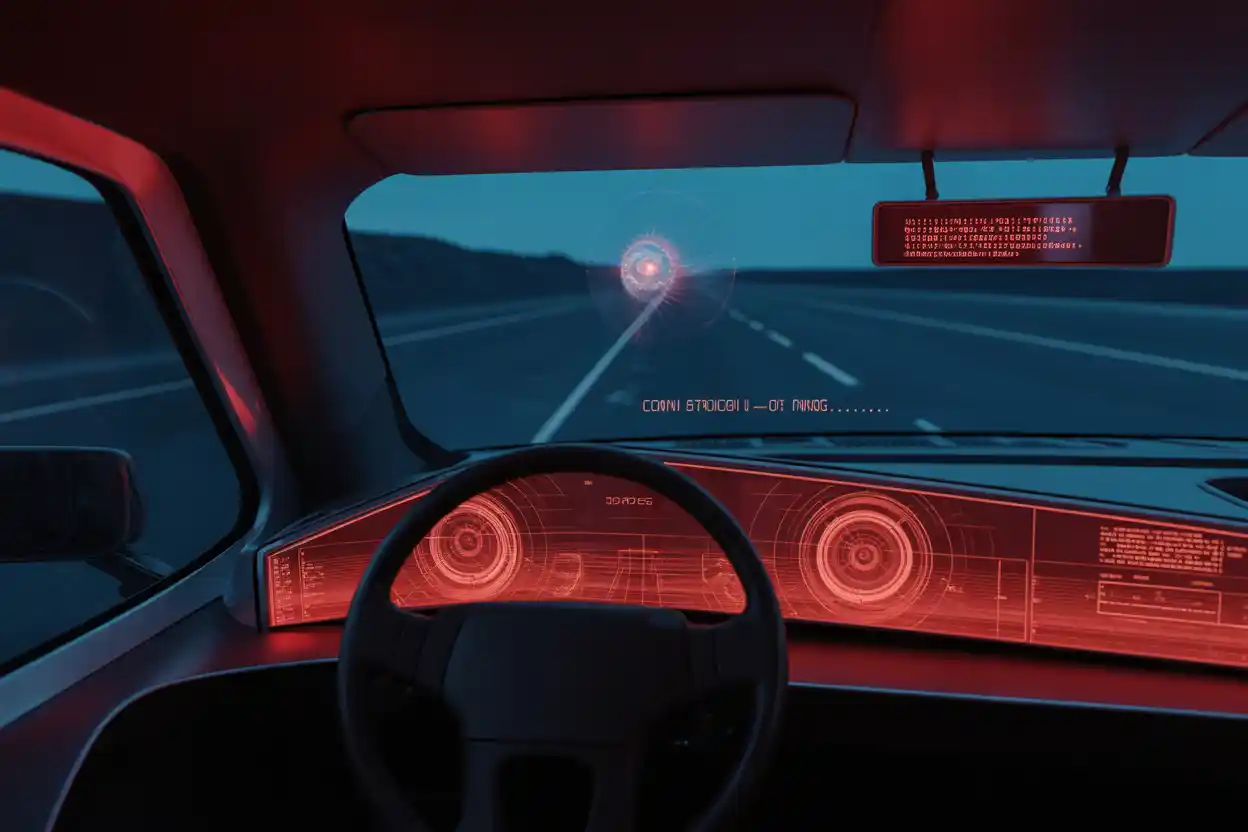
For decades, the American open road was the last frontier of true privacy. Once you got behind the wheel and turned off your phone, you were essentially "off the grid." In February 2026, that era is officially over. Today’s vehicles are the most sophisticated data-collection devices in history—surpassing even smartphones. Your car no longer just transports you; it observes you, listens to you, and, in many cases, monetizes your every move.
Chapter 1: What Your Car Knows (And It’s More Than You Think)
In 2026, a standard modern vehicle is equipped with dozens of sensors, internal and external cameras, and microphones. The volume of data harvested is staggering:
1. Biometric Data: Many 2026 models use internal cameras to track eye movements, facial expressions, and even heart rate via infrared sensors in the steering wheel.
2. Location Intelligence: It’s not just where you go, but how long you stay. Your car knows if you visited a pharmacy, a political rally, or a competitor’s lot.
3. Voice Harvesting: AI assistants are constantly listening for wake words, often recording snippets of private conversations for "algorithm training."

Signal Shield: Premium Faraday Box
Prevent remote relay attacks and unauthorized data pings while your car is parked. This high-density Faraday box blocks all 5G, Wi-Fi, and RFID signals, keeping your vehicle's location "dark" when it should be.
View on AmazonChapter 2: The Data Broker Pipeline – Who is Buying?
The real truth of 2026 is that data is more profitable than hardware. Car manufacturers are pivoting into Data Brokers. Insurance companies are the primary buyers, purchasing "Driving Behavior Scores" to justify premium hikes. Targeted marketing is another: stop at a burger joint at 11 PM, and your screen will soon show coupons for rival chains. Even law enforcement uses "Geofence Warrants" to track every vehicle near a crime scene.
Chapter 3: The "Opt-Out" Illusion
Many 2026 manufacturers offer a choice: Your Privacy or Your Safety. Disabling data sharing often disables critical features like Emergency Braking or Navigation. This has led to a grey market of software patches where tech-savvy owners attempt to block 5G pings without crippling the hardware.
⚠️ Privacy Warning
Check your vehicle's "Privacy Settings" today. In 2026, most brands have "Share with Partners" enabled by default. Even if you can't opt out of everything, disabling "Marketing Data Sharing" can reduce the amount of personal info being sold to third-party brokers.
Chapter 4: Cybersecurity and "Remote Hostage" Risks
In early 2026, several high-profile ransomware attacks saw owners digitally locked out of their cars. Hackers didn't steal the vehicles; they encrypted the software and demanded Bitcoin for the ignition. Because modern cars depend on cloud-based authentication, a single server breach at HQ can paralyze thousands of vehicles simultaneously.

Privacy Guard: Ultra-Thin Camera Slides
Physical security is the only 100% guarantee. Use these ultra-thin slides to cover internal cabin cameras when you don't want your facial expressions and eye movements being monitored by the manufacturer's AI.
View on AmazonChapter 5: The Legislative Frontline
Backlash has reached D.C. In February 2026, the "My Car, My Data" Act is being debated. It aims to grant owners total ownership of vehicle data, mandate a "Physical Kill-Switch" for microphones, and prohibit data sharing with insurers without explicit, per-instance consent.
Conclusion: Reclaiming the Open Road
In 2026, "Automotive Quality" is shifting toward Digital Sovereignty. The premium cars of the future will be the ones that promise to "Keep Your Secrets." In a world where everything is connected, the ultimate luxury is the ability to disappear—even if it’s just for a drive down a coastal highway.
Protect your data, protect your drive. Read more in our tire guide dashboard.