The Silent Tire Eater: Why Your EV is Shredding Rubber
If you've recently traded your internal combustion engine for a high-performance Electric Vehicle (EV), you’ve likely noticed the breathtaking acceleration and the serene silence. But there is a hidden cost lurking beneath your floorboards. The weight of a massive battery pack combined with the instant torque of electric motors creates a "perfect storm" for tire degradation. In this tire guide, we explore why standard rubber fails the EV test.
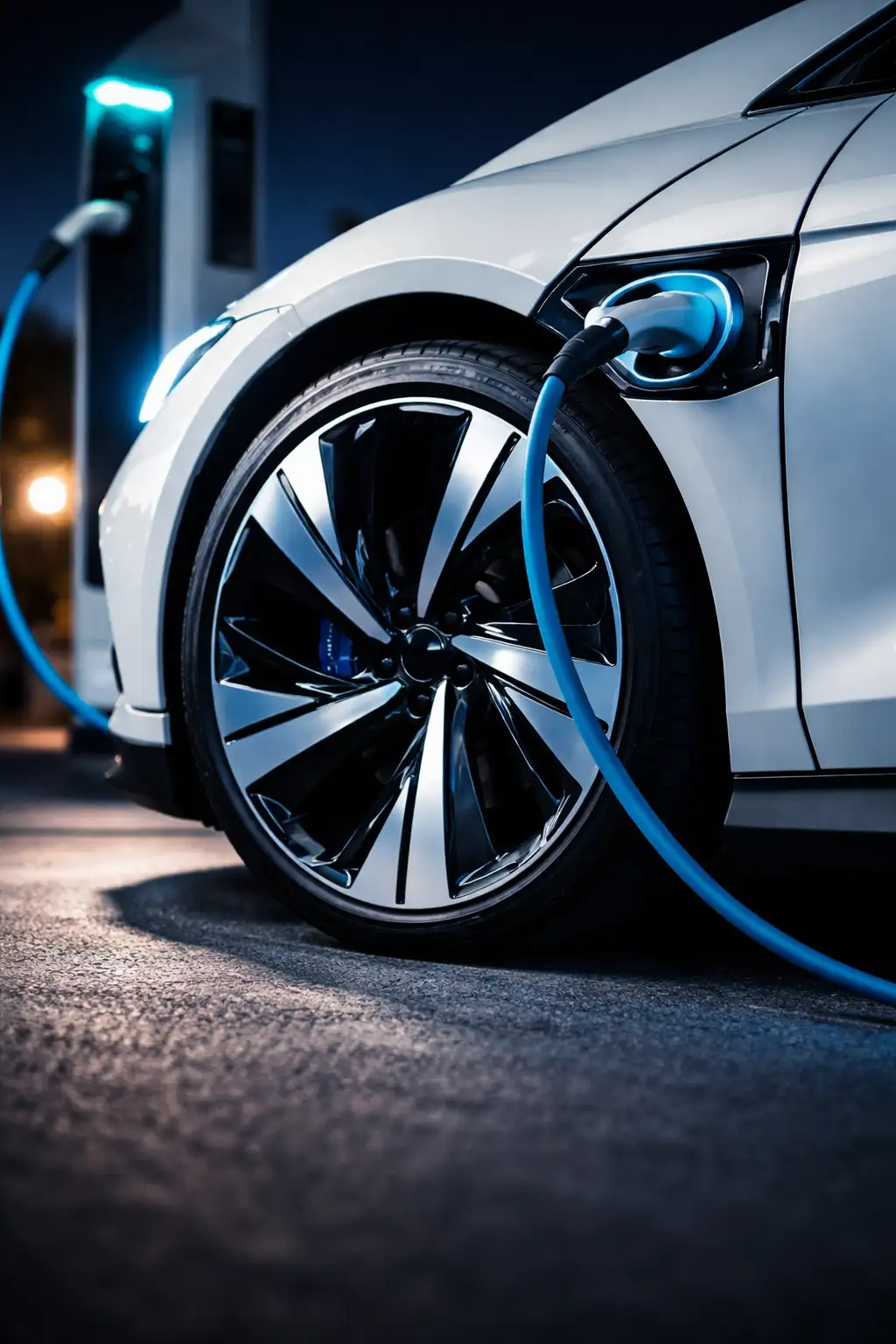
1. The Torque Monster: Instant Abrasion
Electric motors provide maximum torque at 0 RPM. Unlike gas engines that build power, an EV delivers it the millisecond you touch the pedal. At a microscopic level, this causes the tread blocks to "squirm" and slide against the asphalt, even if you don't hear a screech. This is known as Torque Striation.
In an EV, Peak Torque ($\tau$) is reached instantly, causing maximum shear stress on the rubber-to-road interface.
📊 Did You Know?
EV tires typically wear out 20% to 30% faster than tires on equivalent internal combustion vehicles. Many Tesla and Rivian owners report needing new sets as early as 15,000 miles due to the immense longitudinal forces during acceleration.
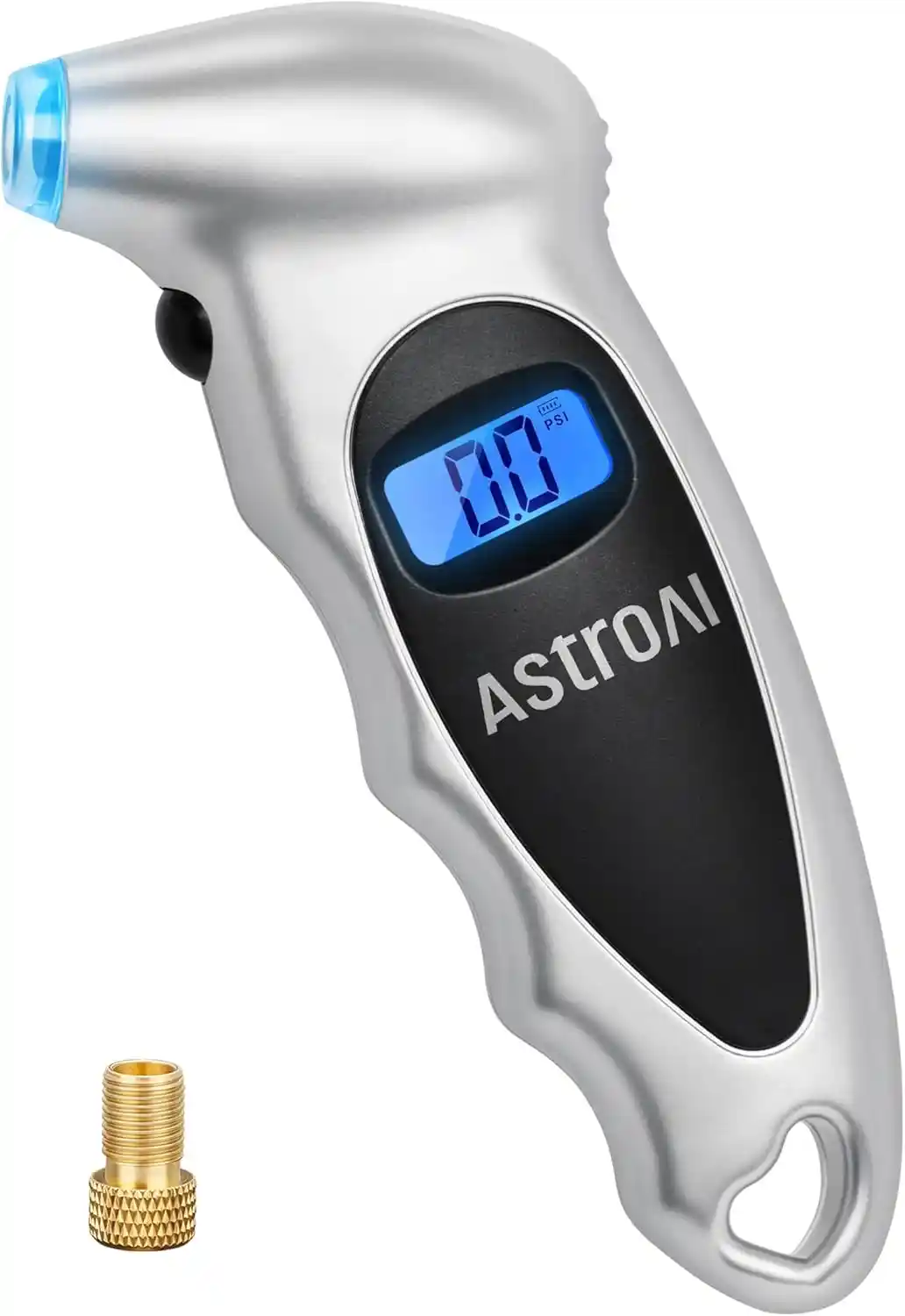
AstroAI Digital Tread Depth Gauge
Track your EV's wear in real-time. This high-precision tool is essential for monitoring the rapid degradation of electric car tires. Accuracy to 0.01mm.
View on Amazon2. Dealing with the "Heavy Metal" (HL-Rating)
The battery pack in a modern EV like a Ford F-150 Lightning weighs nearly 1,800 lbs alone. This extra mass increases the centrifugal force on the tread blocks. When you buy your tire online, you must look for the HL (High Load) capacity symbol. Standard tires will literally deform under this weight, killing your range and safety.
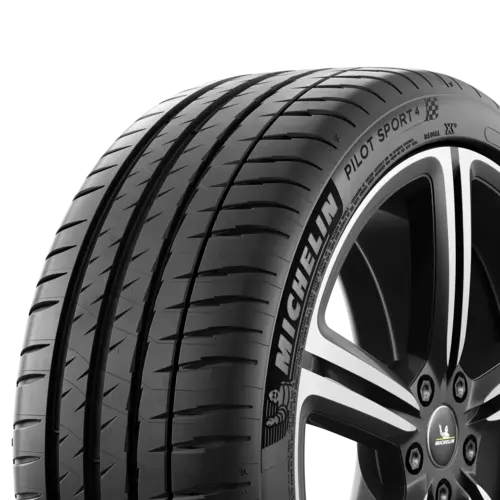
Michelin Pilot Sport EV Series
The gold standard for EVs. Engineered with high-stiffness compounds to resist instant torque and internal foam for a silent cabin. Maximizes your EPA range.
Check Sizes on Amazon3. The Acoustic Factor: The Foam Secret
Without engine noise, tire roar becomes the loudest sound in an EV. Specialized EV tires contain a layer of polyurethane foam inside to dampen vibrations.
Furthermore, maintaining perfect tire pressure is critical—if the pressure is too low, the foam can overheat and detach, causing a massive imbalance that ruins the driving experience.

Fanttik X8 Apex Portable Tire Inflator
Maintain your EV's silent ride. EVs require higher PSI (often 42+) to support their weight. This heavy-duty cordless pump is the perfect garage companion.
View on AmazonConclusion: Investing in the Contact Patch
Don't skimp on the only part of your car that touches the road. Investing in EV-specific tires pays for itself in range, safety, and cabin comfort. Keep your tire pressure high and your tread depth monitored to ensure you aren't literally burning money on the asphalt.
EV Tire Pro Insights - Your #1 Resource for Electric Mobility