Nissan's global numbers are declining, with worldwide sales in the first half of 2026 dropping 6.7 percent to 1,506,052 vehicles and production falling 6.8 percent, with June alone down 8.3 percent and overseas markets like China and Europe taking the biggest hit. However, the United States has turned into Nissan's bright spot.
In the US, Nissan sold 489,809 vehicles in the first half of 2026, a 0.3 percent gain in a market where overall sales are softening. This modest uptick rides on a 24.2 percent jump in US production and a fast shift to building Rogue, Pathfinder, and Frontier in the US, which sharply cuts tariff exposure and freight risk.
 View Price on Amazon
The headline for Nissan is the split between global contraction and US stability. Global first-half sales fell 6.7 percent while factories worldwide built 1,320,698 vehicles, down 6.8 percent, yet North American volume slipped only about 1 percent and US deliveries inched higher. The American market itself looks flat, but Nissan is gaining share instead of losing it.
On the factory side, Nissan built 303,677 vehicles in the US from January through June 2026, a 24.2 percent increase even as total global production declined. Executives now describe North America, led by the US, as the company's "powerhouse," with just over 40 percent of Nissan's cars sold in the region. The US focus is no longer a plan on paper, it is already in the books.
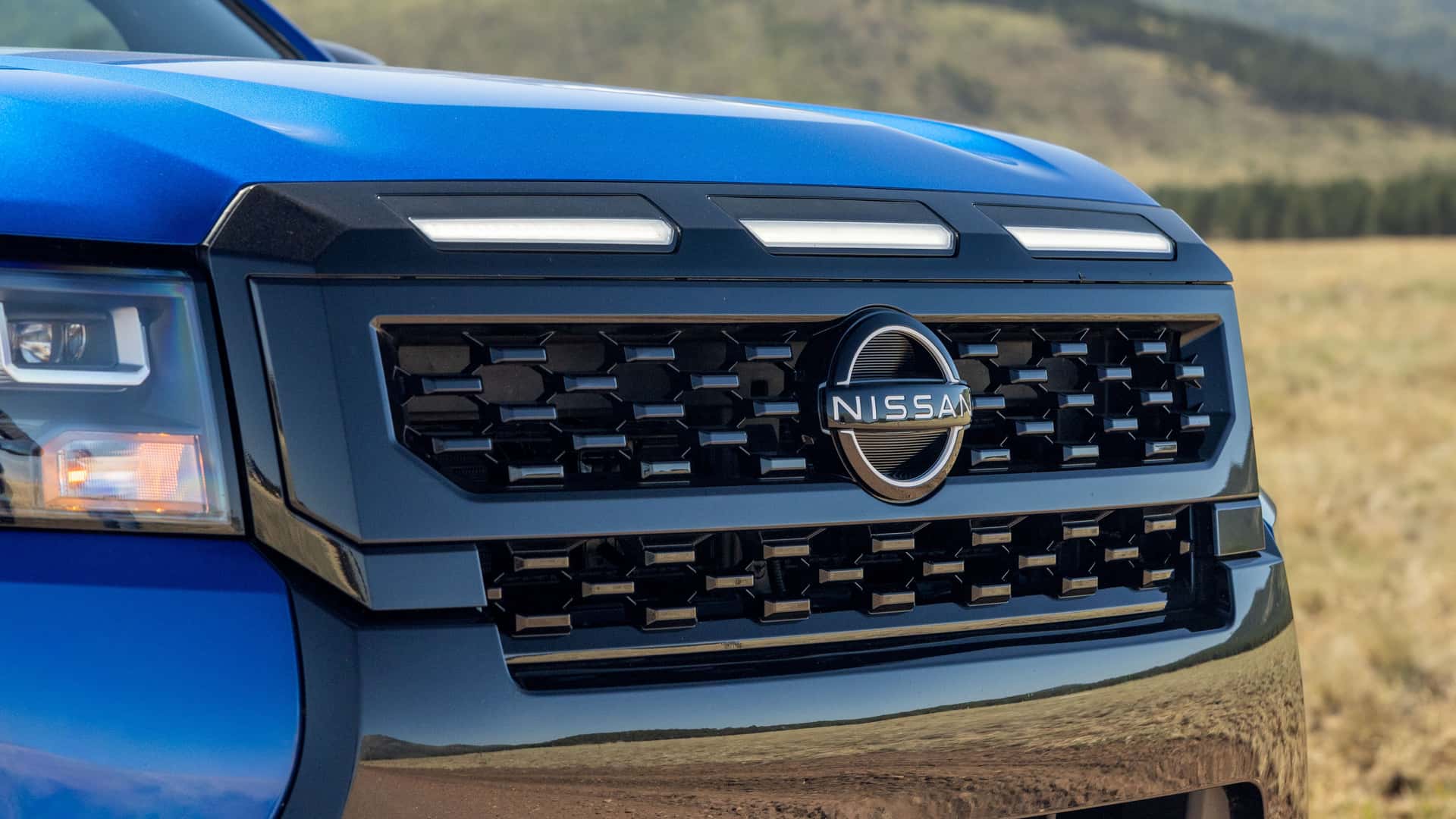
A big reason is mix. Nissan's North American strategy leans hard on US-made light trucks and SUVs—especially Frontier, Pathfinder, and Rogue—instead of chasing low-margin global volume. At the same time, the brand is investing in tech like its Nissan e-Power hybrid system and talking up future SUVs and AI-enabled models, tying the US pivot to both where it builds vehicles and which ones it backs.
To see the strategy on the street, look at Nissan's core American nameplates. The Rogue ranks 10th among the 25 best-selling vehicles in the US through June 2026, putting it in the heart of the crossover fight, while Frontier and Pathfinder have logged solid gains as Nissan leans into trucks and three-row family haulers.
All three are now built in America in much higher volumes, with a clear cost impact: an internal analysis estimates Nissan has already avoided about $2.3 billion in tariff exposure by moving Rogue, Pathfinder, and Frontier production to US plants, giving the brand room to keep mainstream prices competitive even as trade tensions stay high.
Source: motor1.com