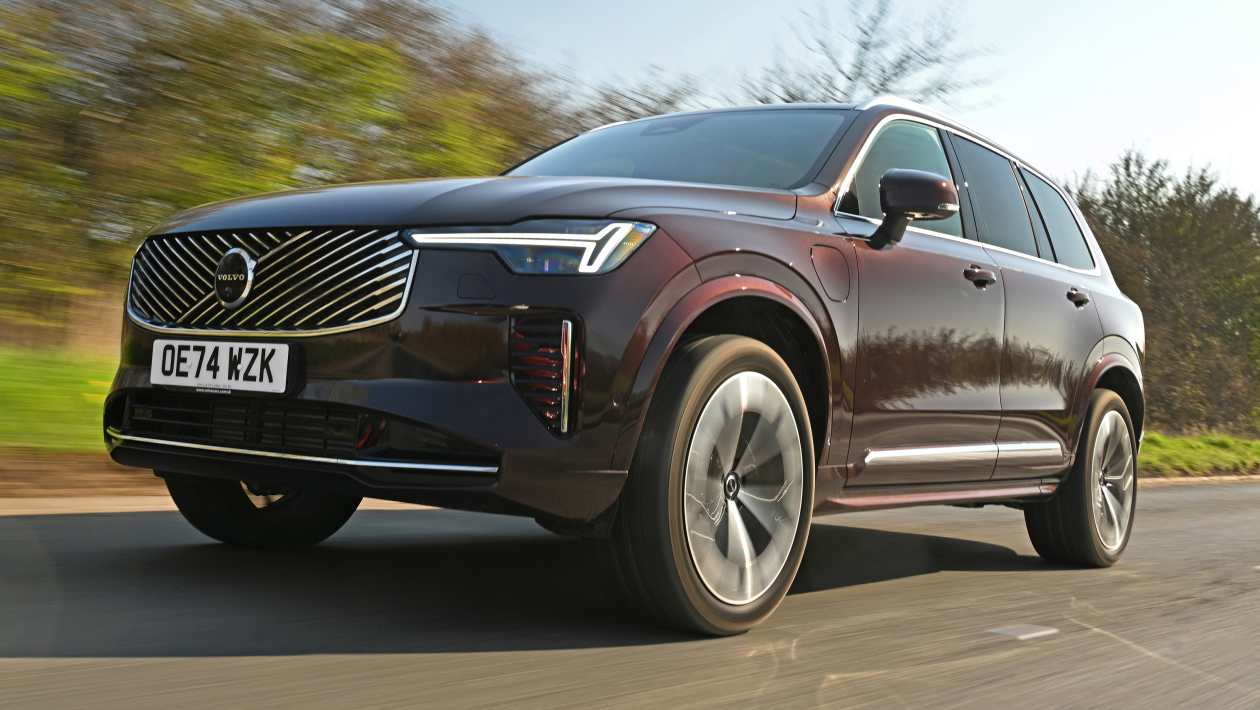
Volvo is planning a lineup of long-range plug-in hybrids to bridge the gap between its aging internal combustion engine (ICE) vehicles and new-era electric cars. The brand's most recent SPA3 platform is a dedicated electric vehicle (EV) architecture, but the previous SPA2 setup supports both electric and hybrid powertrains and could form the base for a new range of big-battery plug-in hybrids (PHEVs).
Anders Bell, Volvo's chief engineering and technology officer, stated that the transition to electric vehicles is taking longer than expected, with many people not yet ready to make the switch due to limited access to home charging. As a result, Volvo will continue to invest in plug-in hybrids, but with a focus on larger batteries and longer ranges.
 View Price on Amazon
A new hybrid-powered XC90 flagship is likely to be a priority for the brand, given the age of Volvo's legacy ICE cars. The current XC90 is over 10 years old and has undergone several updates and facelifts to keep it fresh. Moving the XC90 to the SPA2 platform would allow Volvo to fit a bigger battery, offering a usable range of 100-150 miles on a charge, backed up by a small-capacity gasoline engine for longer trips.
Volvo will also replace the aging XC40, which is its only gasoline-powered SUV yet to be overhauled with the firm's latest design language and interior tech. As it does presently with the current generation, Volvo will look to sister brand Geely Auto for its powertrain and platform, using a heavily upgraded version of the SEA architecture that's undergone consistent upgrades in terms of electric range and efficiency.
Source: autoexpress.co.uk