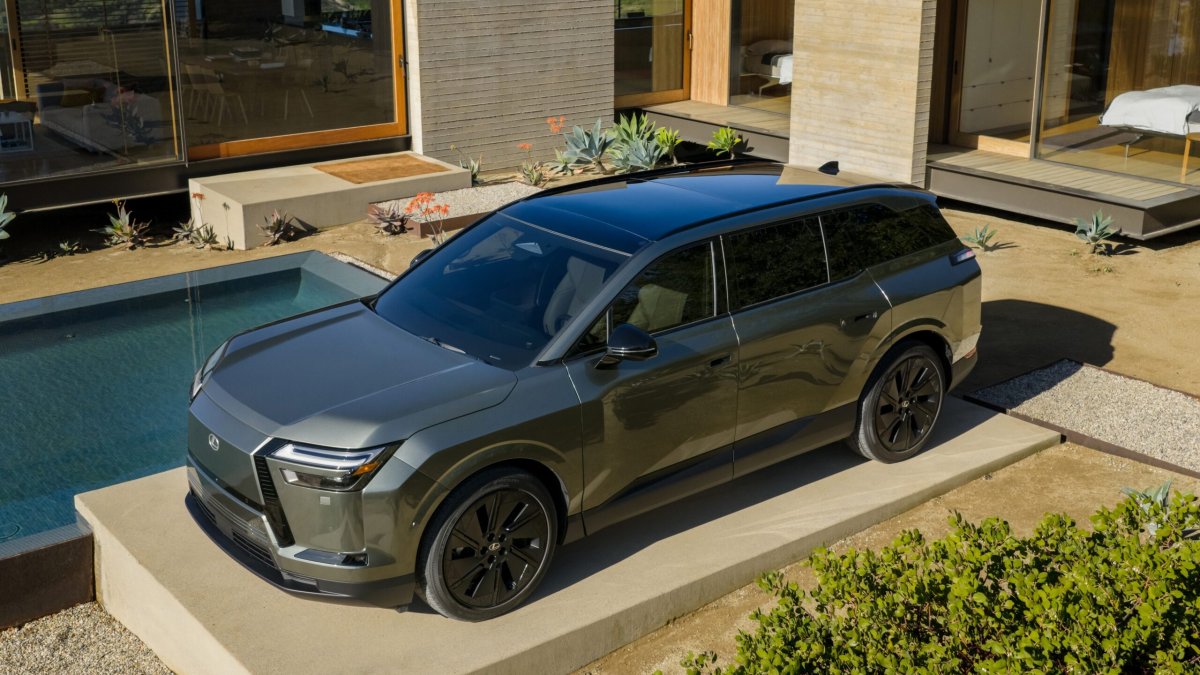
Lexus has introduced its first three-row electric SUV, the 2027 TZ, which is essentially a rebadged and premium version of the Toyota Grand Highlander. The announcement was made without much fanfare, indicating a shift away from elaborate launch events for electric vehicles.
The 2027 TZ will be Lexus' first electric three-row vehicle and will expand the brand's lineup. It won't replace any existing models, unlike Toyota's Highlander and TX, which were introduced with hybrid and plug-in hybrid variants. The TX won't be discontinued anytime soon, and Lexus won't need to make room for the TZ by removing another model.
 View Price on Amazon
Lexus has provided preliminary specifications for the 2027 TZ, but no pricing information. The standard battery has a capacity of approximately 77 kilowatt-hours, while the larger battery option has a capacity of around 96 kilowatt-hours, available on the Select trim and above. According to Lexus, the larger battery provides a range of at least 300 miles.
This range aligns with the 320-mile EPA rating of the Highlander XLE and Limited models. The base Highlander has a range of 270 miles with all-wheel drive, which will be standard on the TZ. We expect the Lexus to have a similar range. The TZ will also feature a variable front/rear torque distribution system that can send 100% of available power to the rear axle.
The "Direct4" all-wheel-drive system is primarily software-based, controlling the torque output of each drive unit independently. However, the total available power is reduced when the computer pulls torque from one or both drive units. Lexus will also offer an optional rear-axle steering package to improve maneuverability in tighter spaces and increase stability at cruise speeds.
The TZ's interior features include heated and ventilated front passenger and second-row seats with power-adjustable ottomans. Lexus has also highlighted the vehicle's "forged bamboo" interior surface treatments. The 2027 TZ is set to go on sale later this year, with full trim details and pricing to be announced later.
Source: thedrive.com

