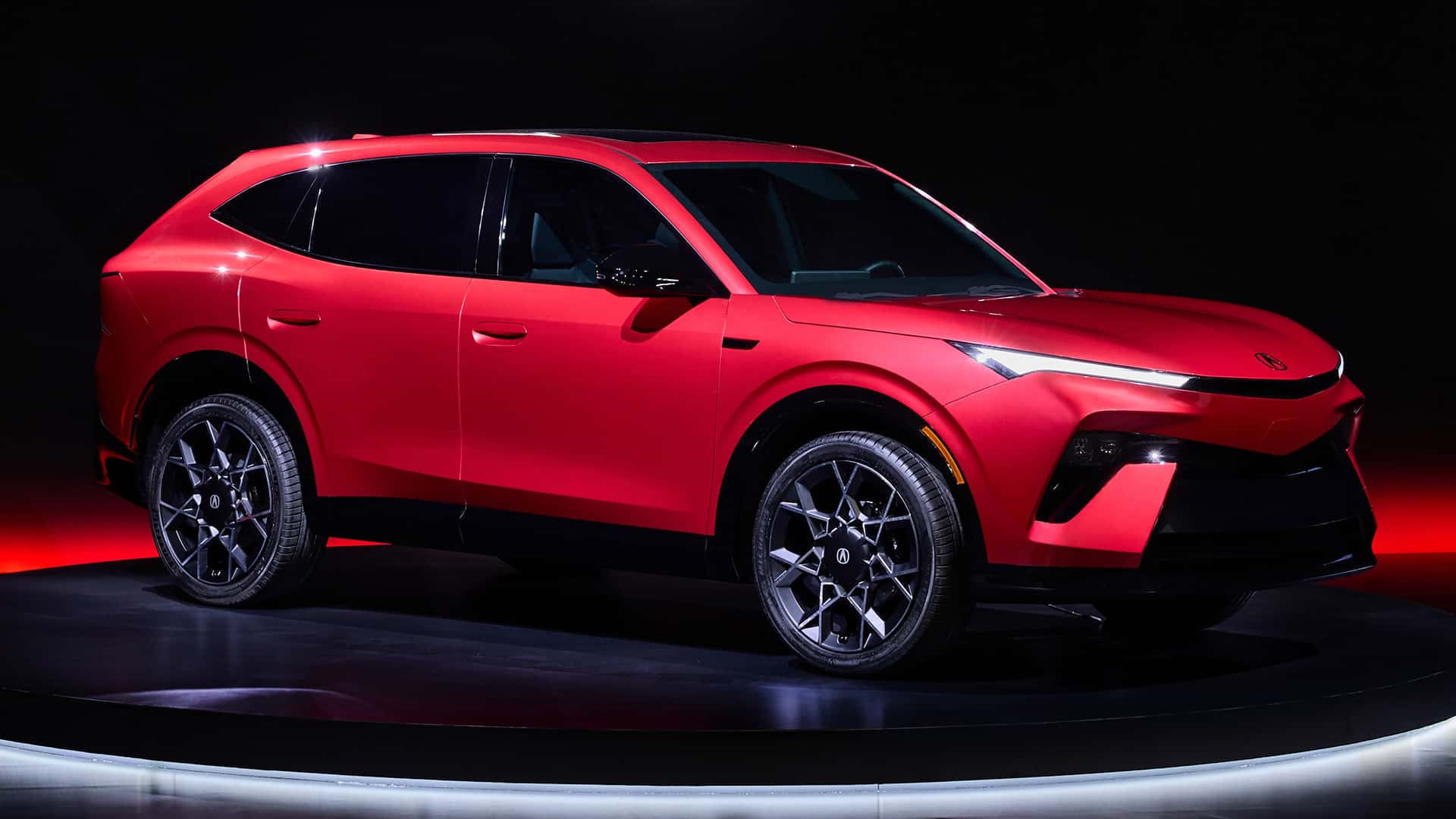
Honda, Japan's second-largest car manufacturer, has hit a rough patch for the first time since going public in 1957. The automaker posted its first annual loss in nearly 70 years after having to contend with a $9 billion bill for misreading the electric vehicle (EV) market.
The industry giant has canceled its long-term EV sales targets, scrapping its goal of having EVs make up a fifth of its new car sales by 2030. The planned shift to a full electric or fuel-cell vehicle lineup by 2040 has also been canceled, with the company focusing on hybrid models going forward.
 View Price on Amazon
Additionally, Toshihiro Mibe, Honda's CEO, confirmed that the company will indefinitely suspend its $11 billion Canadian EV project, where cars and battery packs were supposed to be built. If completed, it would have been Honda's biggest investment in Canada ever.
Now, Honda is shifting its focus to hybrids, and—thanks to its booming motorcycle business and extensive cost-cutting measures—expects to turn a profit once again by the end of this year. The first two new hybrids will debut in 2028, based on a new platform and powered by a next-generation hybrid setup that Honda claims will be the “world's most efficient powertrain.”
According to the Japanese automaker, the new powertrain is designed to improve efficiency by more than 10% over the current technology that debuted in 2023. By March 2030, Honda wants to launch no fewer than 15 models with its new hybrid powertrain, with the U.S. getting most of them. Considering the U.S. focus, it's no surprise that the majority of Honda's new hybrids will be all-wheel drive SUVs.
Source: insideevs.com

