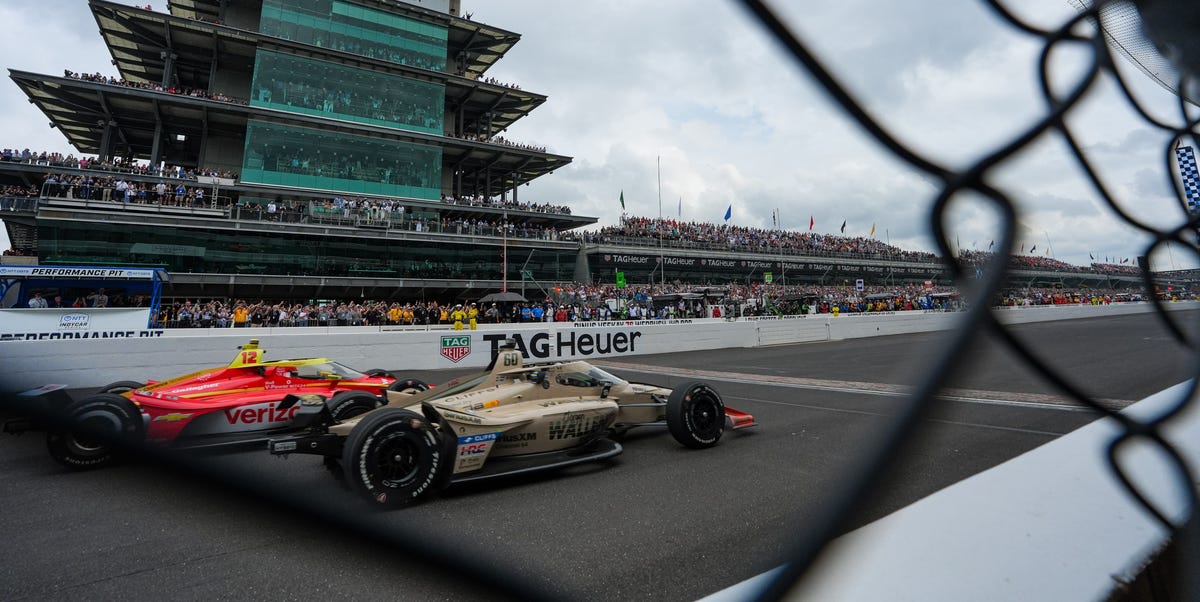
The comments come after Honda released a new TV ad directly comparing the hybrid systems in its race cars to those found in roadgoing models. Despite recently announcing that it will be withdrawing the Acura brand from the IMSA WeatherTech SportsCar Championship at the end of the 2026 season, Honda re-committed to the NTT IndyCar series on a multi-year deal in February.
According to Honda Racing Corporation U.S. (HRC U.S.) President David Salters, the automaker's ability to lend a hand in shaping the future of IndyCar's engine regulations is "critical" to Honda staying in the sport. After all, as Salters pointed out to Car and Driver several times ahead of the 2026 Indy 500, racing is a business, and somebody needs to make sure the ledgers are balanced.
Honda, like every automaker that goes racing, does so for myriad reasons. According to Salters, Honda's presence in IndyCar is incredibly important to the brand and is something that he hopes will continue for years to come. Our conversation with the HRC leader took place the day before the 110th running of the Indianapolis 500, which, coincidentally, was won by a car using a Honda engine.

The same day that we sat down with Salters, Honda released a new television campaign that directly ties Honda's roadgoing hybrids (the Accord, Civic, CR-V, and Prelude) to the brand's race cars. The tie-in makes sense, given that Honda's two premier racing championships, Formula 1 and IndyCar, both use hybrid powertrains. Salters referred to the discussions surrounding the new IndyCar powertrains as a balancing act between Honda, Chevrolet, and the series itself.
"It's gotta be relevant," Salters told C/D. "We have to be able to afford it, otherwise our series will stop. Make it sensible. Make it sustainable over time. We also need to be responsible; we're trying to make things that are more efficient, save energy, all that sort of stuff. We've got to put all that together and come up with something that works."
Like any high-level sport, racing requires you to be open to quick changes, which is fairly similar to running a successful car company, it turns out. "Remember, a racing car is a software-defined vehicle," Salters said. He explained how race cars have been defined by software for decades now. "If you want to change it overnight, change it," Salters said.
Salters also brought up how racing can be used to develop not just relevant technologies, but to develop skilled workers as well. According to Salters, the fast-paced environment of the racing world, coupled with relevant hybrid technology, offers Honda a perfect proving ground for both staffers and technology.
Source: caranddriver.com