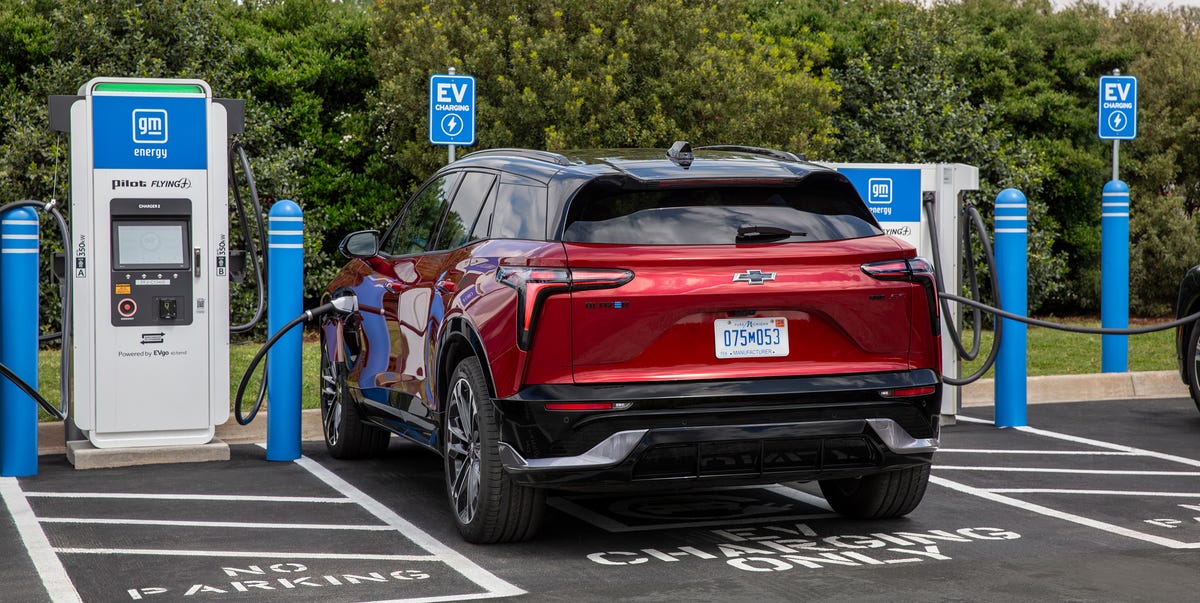
General Motors announced plans to develop and build sodium-ion battery cells in partnership with a startup called Peak Energy. The goal is to use these cells in stationary battery energy storage systems, rather than in electric vehicles (EVs). This move is part of GM's efforts to expand its battery business and potentially lower the cost of its EVs in the future.
Currently, GM's EVs, such as those from Cadillac, Chevrolet, and GMC, use cells based on nickel, manganese, cobalt, and aluminum (NMCA) chemistries, produced by its Ultium Cells joint venture with LG Energy Solutions. The 2027 Chevrolet Bolt is the only model that employs lithium-iron-phosphate (LFP) cells, sourced from China's CATL. GM is also exploring the use of lithium manganese rich (LMR) chemistry, which offers a balance between the low cost of LFP and the higher energy density of other chemistries.
 View Price on Amazon
Sodium-ion cells have several advantages, including lower production costs and improved low-temperature performance. They are also more heat-tolerant than lithium-ion cells, eliminating the need for complex cooling systems. This makes them well-suited for use in stationary energy storage systems, which can provide backup power for homes, businesses, and data centers.
However, sodium-ion cells have lower energy density compared to other chemistries, which makes them less suitable for use in EVs. Despite this, GM believes that the benefits of sodium-ion cells make them an attractive option for energy storage applications. The company plans to use its existing battery development capabilities to commercialize sodium-ion cells and offer them to customers as part of its energy storage solutions.
Source: caranddriver.com

