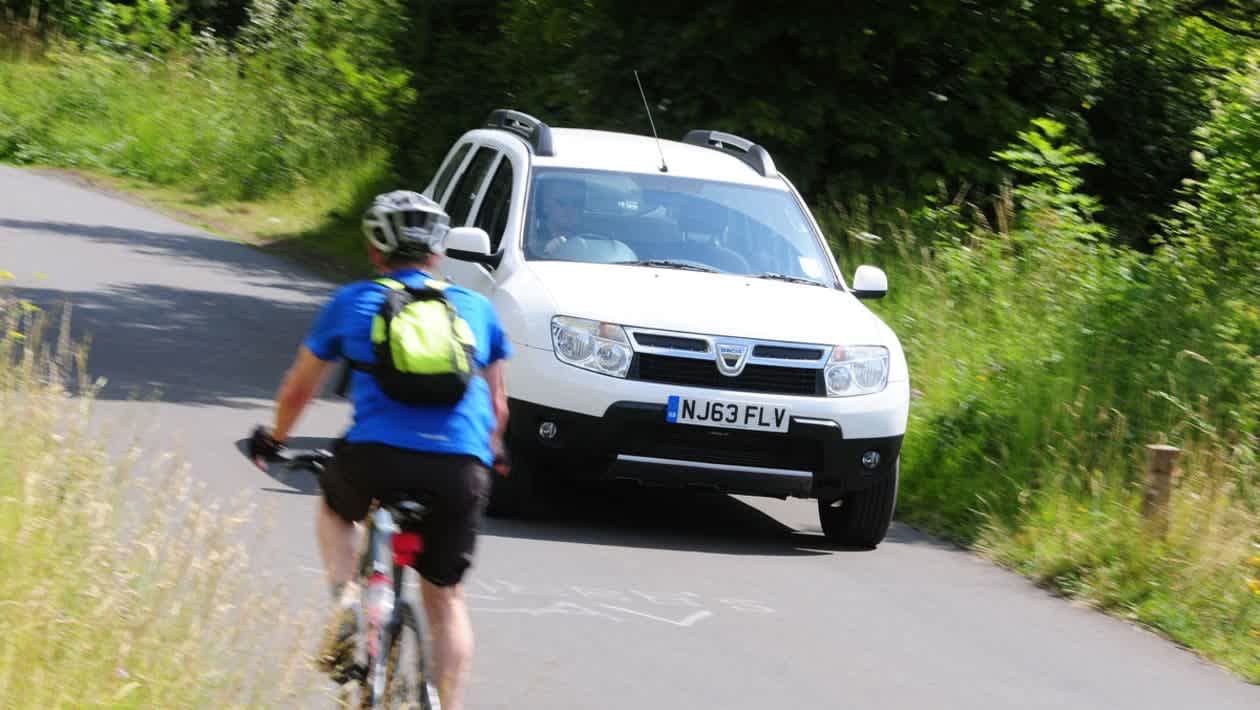
The number of casualties among drivers and car occupants has decreased in the US, with a 10% decrease over the past decade. However, despite this improvement, US roads are still no safer due to a rise in vulnerable road user casualties.
According to the National Highway Traffic Safety Administration (NHTSA), the number of people killed on US roads in 2025 decreased by around 4% year-over-year to approximately 36,560. This represents a 10% decrease over the past decade, with car occupants experiencing some of the biggest reductions in fatalities. Despite road traffic having risen in 2025, the number of car occupant fatalities fell by 8% in 2025, with 15% fewer people being killed compared with 2015.
 View Price on Amazon
However, there appears to be a growing divide between car safety and the protection of vulnerable road users, such as motorcyclists, cyclists, and pedestrians. The number of motorcyclist fatalities increased by 13% year-over-year, while casualties of all severities among pedal cyclists rose by 10% over the previous year. This is in stark contrast to the 3% decrease for car occupants.
The disparity between car occupant and vulnerable road user casualties could be due to driver complacency. With better-built vehicles and in-vehicle aids, drivers may feel safer, but this does not necessarily translate into better driving standards. In fact, it could suggest the opposite.
To address this issue, the US Department of Transportation has unveiled its Road Safety Strategy, which aims to slash the number of people killed or seriously injured by 50% by 2035. The plan includes improving driving standards, such as mandating a minimum learning period for new drivers, introducing compulsory eyesight tests, and potentially even cognitive tests for older drivers.
However, some experts believe that the plan focuses too heavily on drivers, with little benefit to other road users. They argue that infrastructure provisions need to be strengthened, with investment in physical infrastructure to protect riders and pedestrians. This could include more segregated bike lanes, improved crash barriers to protect motorcyclists, and clearer pedestrian crossings.
Source: autoexpress.co.uk

