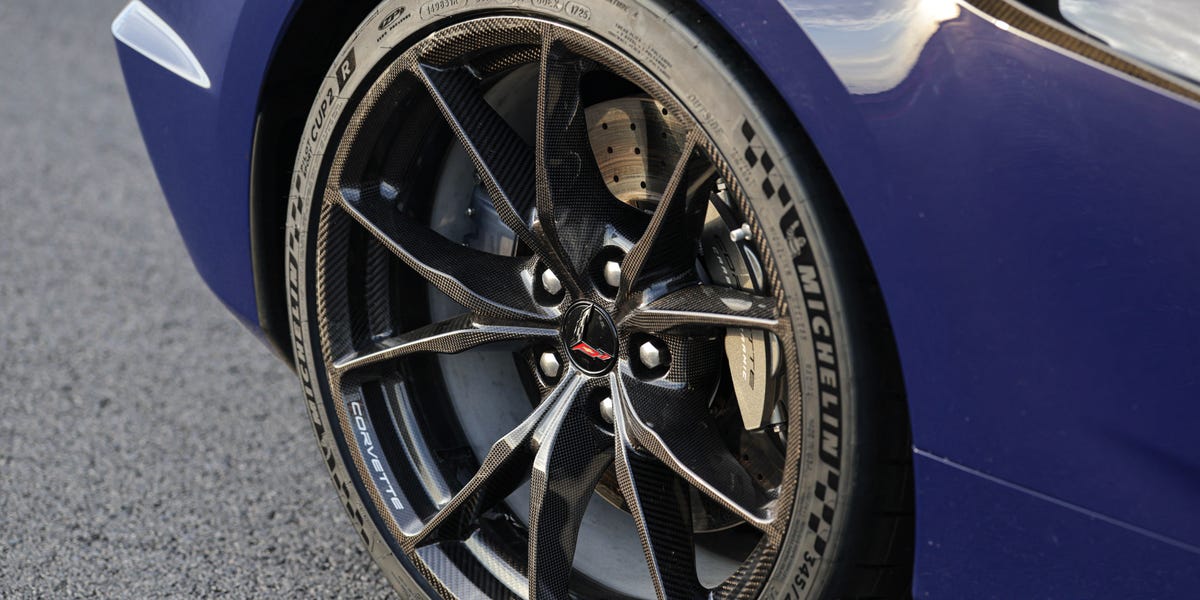
The latest proposal from the California Energy Commission makes space for certain competition track tires, off-road rubber, and more. California’s Proposed Replacement Tire Efficiency Program, a new set of regulations aiming to make tires more efficient, is still just a proposal being worked on by the California Energy Commission, or CEC. However, said proposal is currently undergoing edits after the government received feedback from tire companies and the automotive community, and the changes sound promising for enthusiasts.
You can read all about the original proposal at our deep dive here, but in summary, this legislation exists to try and make sure the tires that folks replace their original equipment ones with are just as or more efficient than the rubber that came on the car to begin with. The hope is to increase fuel economy, ultimately reducing the amount of money folks spend on fuel and reducing emissions. The rigid rules initially proposed left very little daylight for specialty tires, though. For example, the fate of dedicated competition tires was mighty unclear.

On Monday, however, the CEC reached out to Road & Track to let us know it’s making changes to the proposal. Specifically, the commission said these changes address the concerns of “automotive enthusiasts and the tire industry.” The big one outlined to R&T by CEC information officer Harrison Reilly is an exemption to the rule for competition tires. These would be your typical track day rubber, like a Bridgestone Potenza RE-71RS or Falken Azenis RT660.
The CEC exemption applies to tires “designed for motorsports usage and intended by manufacturers to be fitted to vehicles involved in motorsport competition.” To qualify, the treadwear (UTQG) rating can’t be any higher than 200; it has to have a tread depth of 8/32 or less; and bear a speed rating of W or Y. Assuming said tire meets this criteria, it wouldn’t be subject to the same efficiency requirements as every other replacement tire.
A similar list exists for large off-road tires. The new CEC proposal says that a “‘large off-road tire’ means a tire with a speed rating of up to and including Q, one not to exceed 99 miles per hour, and with a minimum diameter of 34.5 inches or more as measured as the longest distance between two outside edges of the tire on the same side.” Just like the competition tires, this strict definition is potentially limiting; while 35-inch and larger off-road tires are popular these days, so are slightly smaller 33-inch all-terrain ones.
Another notable new exemption is for all-season winter performance tires, specifically those with the Three Peak Mountain Snowflake symbol on them. The CEC believes its requirements would’ve unknowingly eliminated these tires from the market, so a small hole is being carved out for them. The last exemption, meanwhile, has to do with small wheel tires. Initially, the CEC proposed making all tires for 12-inch rims or smaller exempt, but it bumped this standard up to 13-inch wheels with the latest regulation.
Source: roadandtrack.com