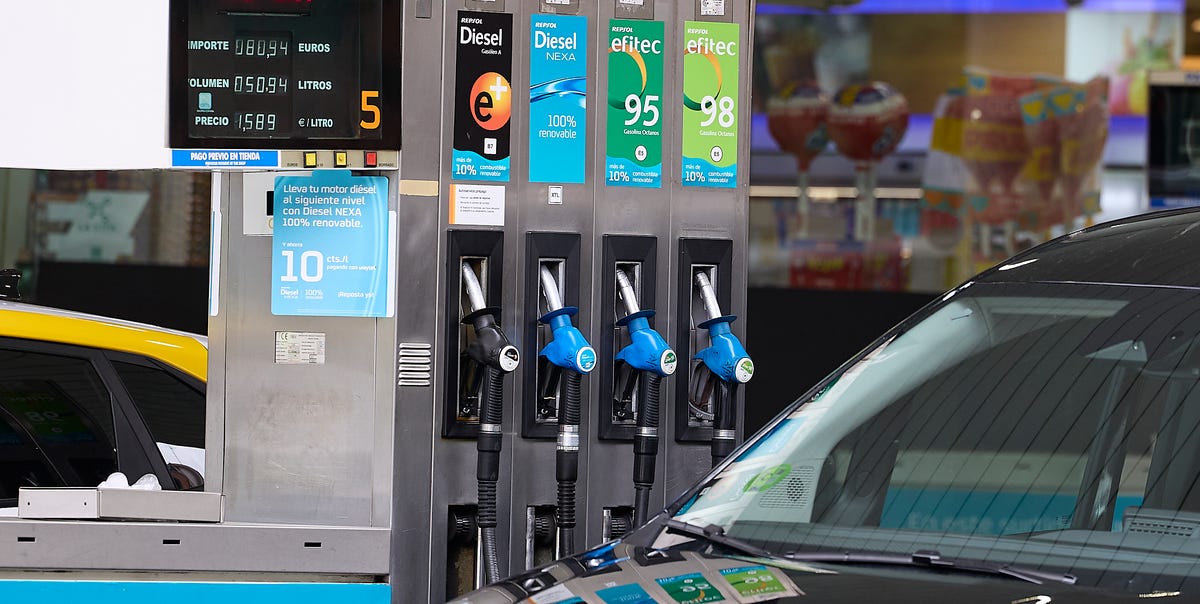
BMW and Toyota have launched a pilot program in Spain to test the use of 100% renewable gas in regular cars. The program, which will last for six months, aims to collect data on the feasibility of using renewable gas in existing vehicles. A fleet of 20 Toyota and BMW cars will be used for the test, and they will only use existing renewable fuel infrastructure.
The fuel used in the test is made from renewable energy sources such as used cooking oil and tallow, which can reduce greenhouse gas emissions compared to traditional fossil fuels. The fuel is compatible with the fuel systems in vehicles already on the road, and no significant modifications are required.
 View Price on Amazon
According to Stefan Heller, head of development of the VEEF program for BMW, "Technology openness is a key pillar of the BMW Group strategy – at the same time our goal is always to have more environmentally friendly and efficient vehicles on the road." The test is part of the company's efforts to reduce its carbon footprint and offer more sustainable solutions to its customers.
The test is also supported by Repsol, which is the only company in Spain to offer 100% renewable gasoline at its pumps. The company's Nexa 95 blend is made from renewable energy sources and is compatible with all gasoline-powered vehicles.
The results of the test will be certified by Bosch's digital fuel tracking system, which will provide accurate data on the performance and emissions of the vehicles using renewable gas. The test is an important step towards reducing greenhouse gas emissions from transportation and promoting the use of renewable energy sources.
Source: roadandtrack.com

