When the temperature drops below 45°F (7°C), the rubber compound in standard all-season tires begins to harden, significantly reducing grip. Dedicated winter tires are engineered with specialized silica-rich compounds that remain flexible in freezing temperatures.
Why You Need Dedicated Winter Tires
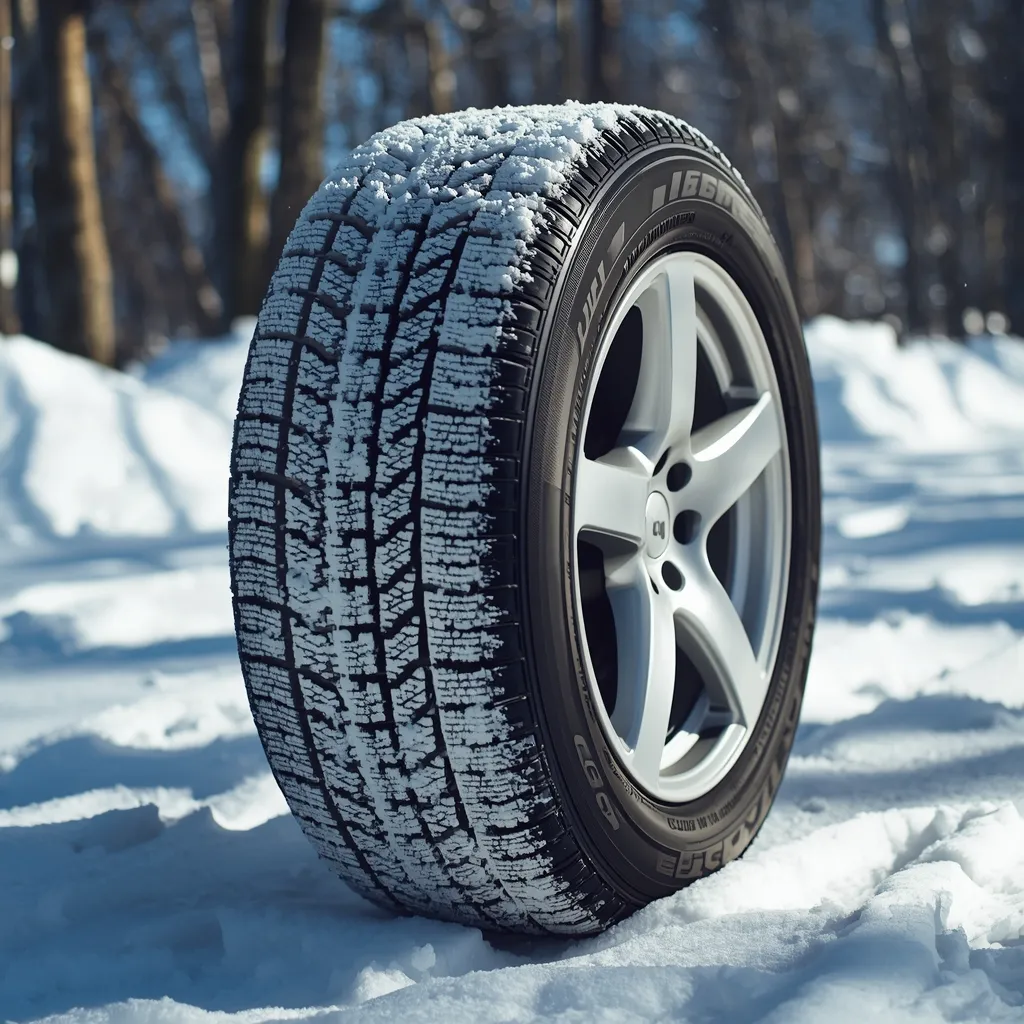
While AWD helps you get moving, it does not help you stop or turn on ice. Winter tires feature thousands of tiny slits called "sipes" that act like claws, biting into the ice.
- Shorter Braking: Reduces stopping distance by up to 30% on ice.
- Lateral Grip: Prevents sliding sideways through corners.
- Slush Evacuation: Deep grooves pump slush away from the contact patch.
1. Bridgestone Blizzak WS90
The king of ice traction. It features a patented Multicell compound that contains tiny bubbles to break the thin film of water on ice, preventing micro-hydroplaning and sliding.
Check Price on Amazon2. Michelin X-Ice Snow
Focuses on longevity and consistent performance. Michelin's EverGrip technology ensures the tire maintains its snow-biting edges even as the tread wears down over several seasons.
Check Price on Amazon3. Continental VikingContact 7
Strikes a perfect balance between performance on dry, cold asphalt and deep, unplowed snow. Often cited as the quietest and most comfortable winter tire in its class.
Check Price on Amazon4. Goodyear UltraGrip Winter
A reliable workhorse for budget-conscious buyers. Excellent at evacuating deep snow and can be fitted with metal studs in regions where they are legal.
Check Price on AmazonBuying Advice: When to Install?
Follow the "7-for-7" rule: When the temperature is consistently below 7°C (45°F) for 7 days in a row, it’s time to switch to your winter set.
Storage Tips:
- Store in a cool, dry, dark place away from direct sunlight.
- Bag each tire in airtight plastic to prevent rubber oils from evaporating.
- Always check pressure immediately after reinstalling in the next season.