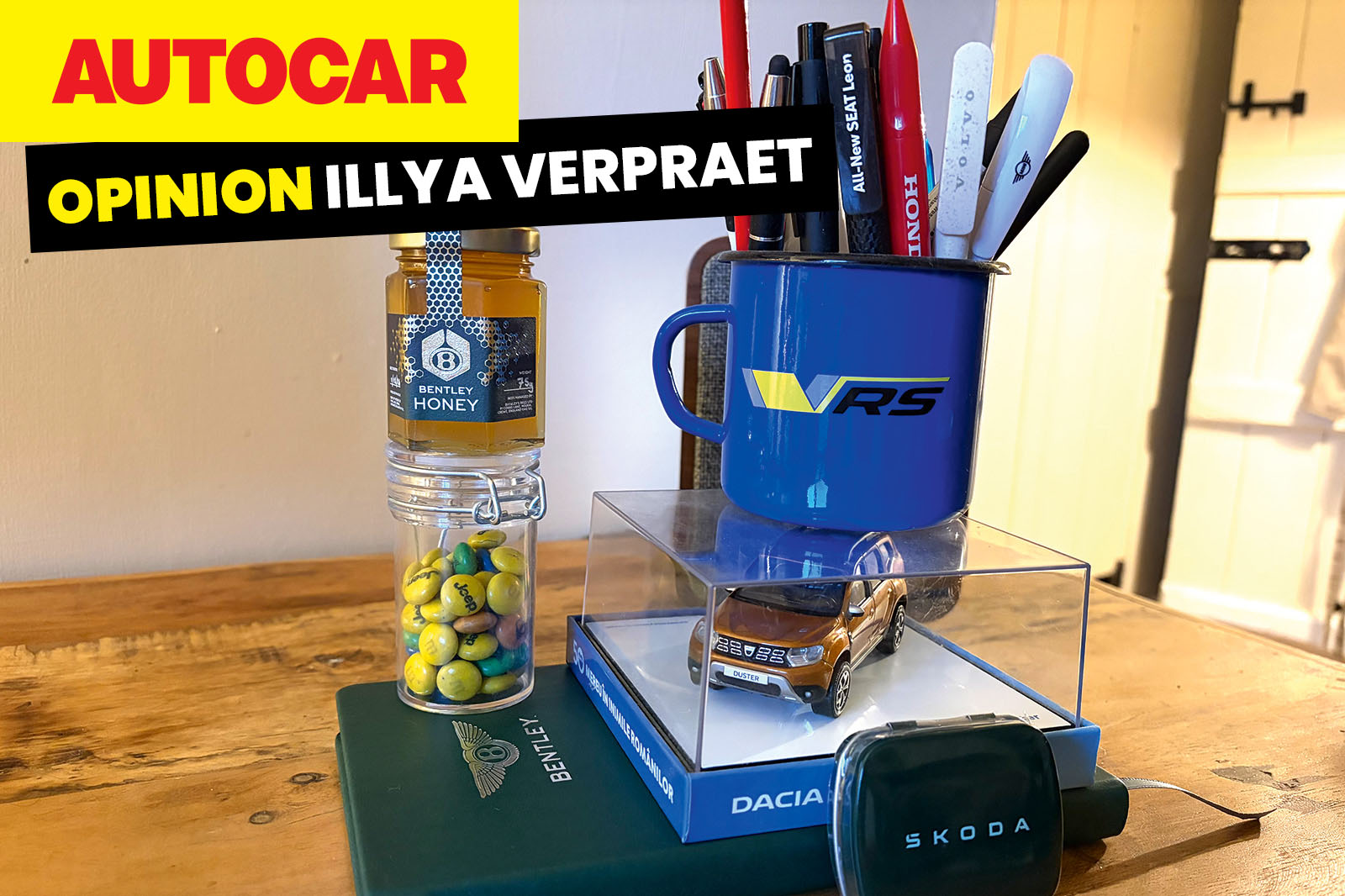
There's an uncomfortable truth in the automotive industry that isn't talked about very often: there are a lot of freebies going around. Some of them are necessary, of course. We can't test a car properly without spending a decent amount of time in it, so it does mean getting a 'free' car for the week. For instance, if a car has a top speed of 155 mph, we need to test it at that speed to ensure it can handle it. It's also more convenient for the car's manufacturer to fly the assorted media out to a sunny location like California or Florida than it is to bring the limited number of existing early production cars around to each state.
However, other freebies might include things like free meals, accommodations, or even gifts like Bentley honey or Volvo blankets. While these might seem like minor perks, they can still influence our perceptions of the cars we're testing. This is why it's essential to be transparent about the freebies we receive and to ensure that they don't affect our objective evaluations of the vehicles.
 View Price on Amazon
For example, if we're testing a car with an engine that produces 300 horsepower and 250 lb-ft of torque, we need to consider how these specs translate to real-world performance. We can't just rely on the manufacturer's claims; we need to experience it for ourselves. This is where the freebies come in – they allow us to spend more time with the car, to test its limits, and to get a feel for how it handles on different types of roads.
In conclusion, while freebies might seem like a minor issue, they can have a significant impact on our perceptions of the cars we're testing. By being transparent about the freebies we receive and by ensuring that they don't affect our objective evaluations, we can provide our readers with accurate and unbiased information about the latest cars on the market.
Source: autocar.co.uk

