The Ergonomic Illusion: Why Your Seating Position Defines Your Car’s Quality
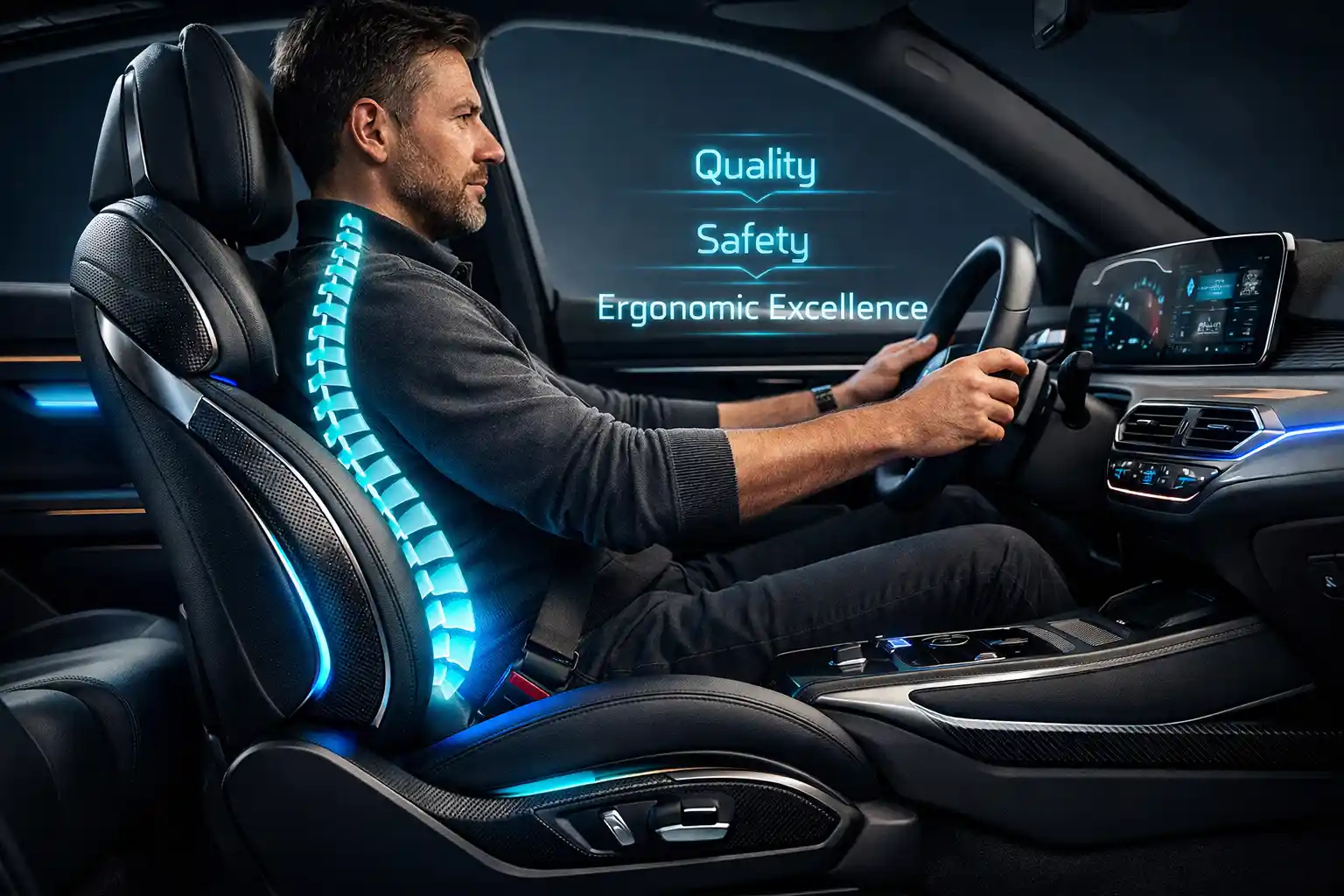
Introduction: The Hidden Fatigue
In 2026, as vehicles become more advanced, we often forget that the most critical interface remains the human body and the driver’s seat. You can own a $100,000 luxury SUV, but if your seating geometry is off by just a few degrees, it will feel like a torture chamber after two hours on the highway. This guide deconstructs the myth of the "uncomfortable car" and explains how proper ergonomics are essential for long-term Reliability and immediate Safety.
Before you check your next **tire pressure** or browse for a **tire online**, consider that your own physical Reliability is the engine of the entire driving experience. This **tire guide** analysis dives deep into the biology of the command center.
Chapter 1: The Physiology of the Driver’s Seat
The human spine is not designed to sit for eight hours, especially not while subjected to the micro-vibrations and G-forces of a moving vehicle. This is where the Quality of seat engineering becomes apparent.
1.1 The Lumbar Support Crisis
Most lower back pain during driving stems from the flattening of the lumbar curve. When you slouch or "bucket" your seat too much, the spinal discs are compressed unevenly. In the 2026 Ford F-150 or the Tesla Model Y 'Juniper', we see "Active Lumbar Systems" that micro-adjust the support every 15 minutes to prevent muscle stagnation. Without this, the muscles surrounding the spine become fatigued, leading to "Driving Sciatica"—a sharp pain radiating down the leg that significantly compromises your Safety and reaction time.

Ergonomic Base: Professional Memory Foam Lumbar Support
Don't let a lack of factory support ruin your Safety. This high-density memory foam cushion restores your spine's natural S-curve, preventing the chronic fatigue that leads to accidents. A mandatory upgrade for 2026 long-haulers.
View on Amazon1.2 The "Reach" Factor and Shoulder Strain
If the seat is too far back, your arms are fully extended. This puts immense strain on the trapezius muscles and the neck. In 2026, ergonomic experts recommend the "Wrist Over Wheel" test: with your shoulders against the seat back, your wrists should comfortably rest on top of the steering wheel. This ensures your elbows remain slightly bent, acting as natural shock absorbers and maintaining the Reliability of your steering inputs.
Chapter 2: The Cost of Poor Ergonomics (Fatigue and Health)
Poor positioning doesn't just hurt; it drains your energy. When your body is improperly supported, your core muscles are constantly working to stabilize your torso against the car’s movement.
2.1 Premature Cognitive Fatigue
Studies in early 2026 have shown that a driver in an un-ergonomic position experiences cognitive decline 30% faster than a well-supported driver. This is a massive Safety concern. When your lower back is aching, your brain prioritizes pain management over road awareness.
🧠 The Spinal Load Index
We can estimate the strain on your lower back using the Spinal Load formula:
$$S_L = \frac{m \cdot g \cdot \cos(\theta)}{A_{support}}$$
Where $\theta$ is the seatback angle. As you lean further back beyond 110°, the Quality of support decreases and the sheer force on your vertebrae increases exponentially.
2.2 Chronic Issues: The Long-Term Reliability of Your Body
We often talk about the Reliability of the engine, but what about the reliability of your joints?
- Knee and Ankle Pain: A seat that is too close causes the ankles to operate at extreme angles, leading to tendonitis.
- Cervical Strain: An improperly adjusted headrest forces the neck to hold the weight of the head without support, leading to chronic headaches.
Chapter 3: The 2026 Solution – Quality Materials and AI
The "Juniper" update for the Tesla Model Y and the new Toyota RAV4 X-Gen have introduced "Biometric Seating." These systems use pressure sensors to detect where your weight is unevenly distributed.
3.1 Adaptive Foam Technology
High-Quality seats now use multi-density memory foam that reacts to body heat and weight. This ensures that "pressure points" are neutralized. By distributing weight evenly, these seats maintain blood circulation, keeping the driver alert and enhancing overall Safety.
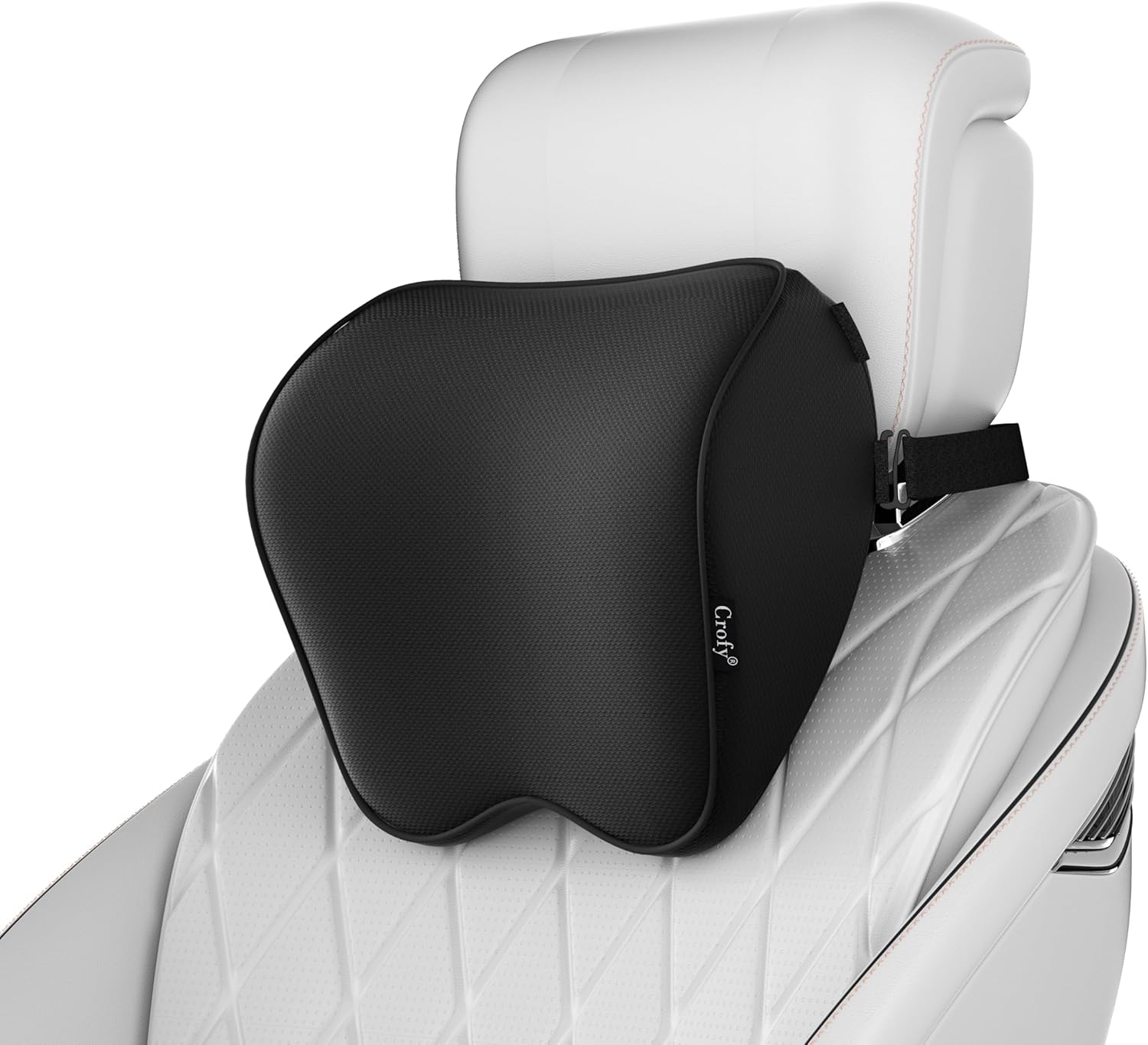
Neck Armor: Cervical Support Headrest Pillow
Complete your 2026 ergonomic setup. This breathable neck pillow fills the gap between your headrest and shoulders, providing the 1-inch clearance needed for maximum whiplash Safety and long-term comfort.
Check Price on Amazon3.2 The Psychology of "Command Position"
It’s not just about comfort; it’s about the "Command Position." A seat that is adjusted to provide a clear 180-degree view without neck craning reduces psychological stress. When you feel in control, your heart rate stays lower, and your driving becomes more consistent and Reliable. This is the cornerstone of our **knowledge hub** strategy for safer roads.
Chapter 4: How to Set the Perfect Position (The Professional Checklist)
- Height: High enough to see the road clearly, but low enough so your knees aren't hitting the steering column.
- Distance: Your knees should be slightly bent even when the pedals are fully depressed.
- Backrest: An angle of about 100-110 degrees is optimal to reduce spinal pressure.
- Headrest: The top of the headrest should be level with the top of your head, and no more than 2 inches away from the back of your skull for maximum Safety in a rear-end collision.
Conclusion: Ergonomics as the Ultimate Luxury
In 2026, we’ve realized that luxury isn't just about leather and screens; it's about how you feel when you step out of the car after a 500-mile journey. A high-Quality vehicle is one that protects the driver’s physical health. By prioritizing your seating position, you aren't just getting comfortable—you are investing in your own Reliability and the Safety of everyone on the road.
The Tire.Guide Ergonomics Team - Enhancing the Human Machine Since 2026.