The Quality Renaissance: Why Excellence is America’s Most Urgent Priority
"Raising awareness for quality is no longer a luxury; it is a necessity for national resilience."
Introduction: The Vanishing Benchmark
For much of the 20th century, the American identity was inextricably linked to the concept of the "Gold Standard." Whether it was the steel forged in Pittsburgh, the automobiles rolling off Detroit assembly lines, or the academic rigor of its land-grant universities, the United States didn’t just produce; it excelled. There was an unspoken social contract: if you bought an American product or invested in an American service, you were purchasing a piece of permanence.
However, as we traverse the mid-2020s, that contract feels increasingly frayed. We find ourselves living in a "Disposable Era," characterized by a relentless pursuit of "more" at the direct expense of "better." Our phones are designed to fail within three years; our fast-fashion garments disintegrate after five washes; and our public discourse has traded the nuance of quality for the dopamine hit of quantity.
Chapter 1: The Industrial Erosion – Beyond Planned Obsolescence
In the post-WWII boom, an American washing machine was a family heirloom. Today, it is a ticking time bomb of plastic gears and unrepairable circuit boards. This shift is the result of a calculated economic philosophy known as planned obsolescence. While it drives short-term quarterly profits for corporations, it creates a long-term deficit in consumer trust and environmental health.
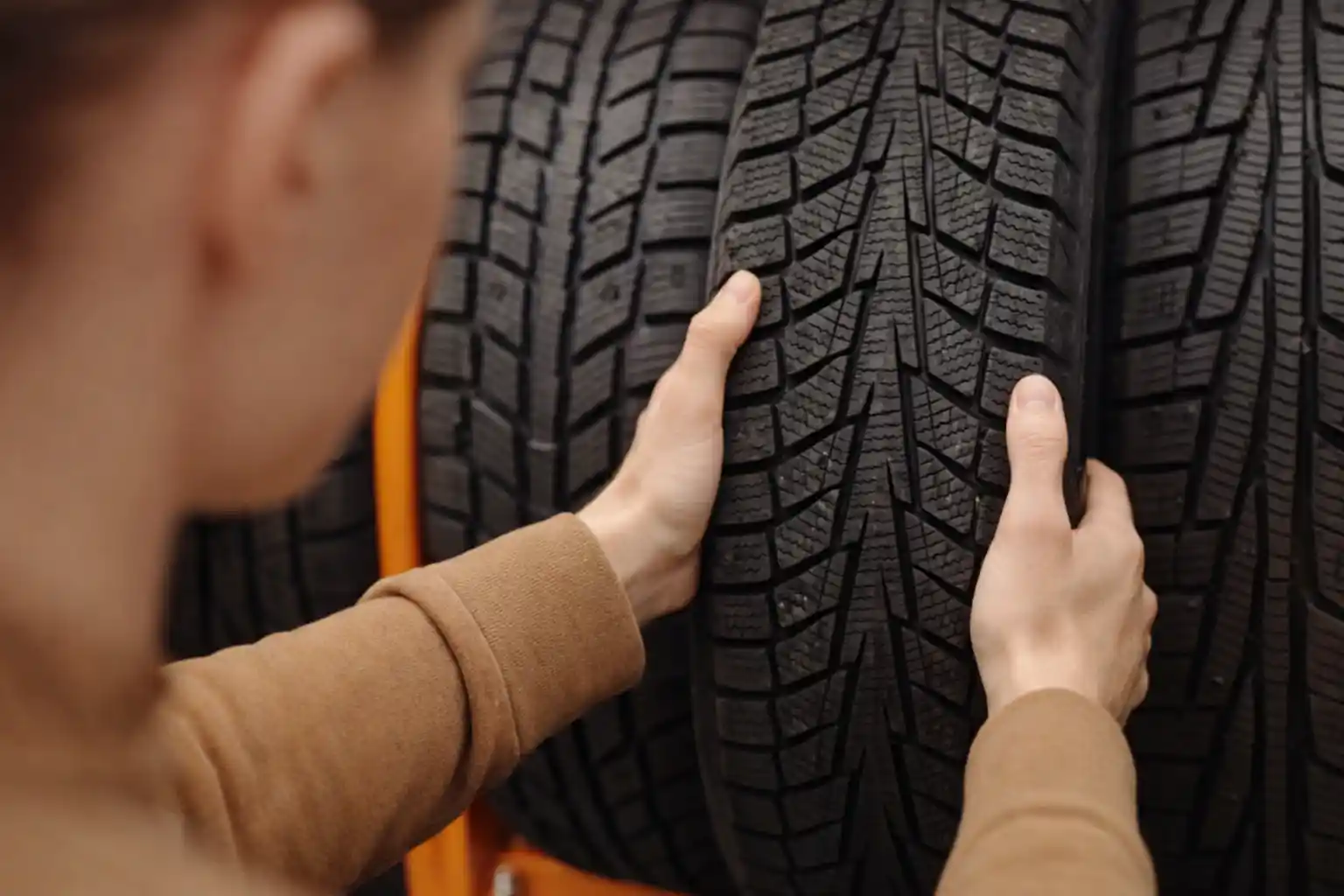
The True Cost of Cheap Goods
When we prioritize a lower price point over structural integrity, we engage in a "poverty trap." A pair of USD 40 boots that lasts six months is infinitely more expensive than a USD 200 pair of boots that lasts a decade. Yet, the American marketplace has been flooded with "disposable" versions of essential goods. This has led to a loss of craftsmanship. The master carpenter, the precision machinist, and the artisanal tailor are becoming relics of a bygone age.
Chapter 2: The Nutritional Deficit – Quality as Healthcare
Perhaps nowhere is the quality crisis more visible—and more lethal—than in the American diet. The root cause is a fundamental misunderstanding of nutritional quality. In the American food system, we have mastered the art of producing "quantity," but we have seen a catastrophic decline in "quality"—the micronutrient density of our soil and the purity of our proteins.
A "high-quality" food system focuses on regenerative agriculture. Awareness in this space means shifting the conversation from "how much does this meal cost?" to "how much does this meal nourish?" When we choose quality, we are purchasing preventative medicine with nutrient-dense supplements and whole foods.
Chapter 3: Intellectual Quality – Deep Work vs. Shallow Clicks
As the United States navigates the transition to an AI-driven economy, the quality of human thought becomes our most valuable commodity. Yet, we are currently suffering from a "quality drought." Social media platforms are designed to maximize "engagement," a metric of quantity, rarely rewarding factual depth or nuance.
To combat this, we must promote "Intellectual Minimalism." This involves a conscious choice to consume less information, but of a significantly higher quality. Quality of thought requires Deep Work—the ability to focus without distraction on a cognitively demanding task.
Chapter 4: The Infrastructure of Living
High-quality infrastructure means creating spaces that foster community, durability, and aesthetic beauty. When we build for quality, we build for generations. This requires a shift from "low-bid" government contracting to "best-value" assessment, where the longevity of a bridge or school is weighed more heavily than the initial price tag.
Chapter 5: The Economic Fallacy – Why "Cheap" is Expensive
There is a pervasive myth in American consumerism: that "saving money" means finding the lowest price. This is the Economic Fallacy. On a national scale, this cycle of disposability creates massive waste-management costs and reliance on fragile global supply chains. Investing in durable appliances is a long-term economic strategy.
The Total Cost of Ownership (TCO) formula: Initial Price ($P_i$) + sum of Maintenance ($M_c$) and Repair ($R_c$) + Environmental/Disposal Cost ($E_c$).
Chapter 6: The Psychological Toll of Mediocrity
Living in a world of low quality has a profound psychological impact. When the objects we touch are "cheap," it sends a subconscious message that our time and our lives are also of low value. Conversely, interacting with high-quality craftsmanship inspires human potential. Quality demands respect; it demands that we slow down and appreciate the effort behind the creation. Invest in professional-grade tools to experience the difference.
Chapter 7: A Call to Action – Reclaiming the Standard
- Demand Transparency: Support legislation for product "repairability scores."
- Vote with Your Wallet: Seek out local artisans who prioritize quality over mass-production.
- Educational Reform: Reintroduce vocational training and "Shop" classes in schools.
- Civic Engagement: Advocate for "Quality-First" initiatives in local urban planning.
Conclusion: The New American Spirit
Raising the standard of quality is a patriotic act. It is a refusal to accept the mediocre and a commitment to the superlative. The "American Dream" was never about owning the most things; it was about the freedom to build the best life. By choosing quality in our products, our food, our infrastructure, and our thoughts, we ensure that the American Gold Standard is not a memory, but a future reality.