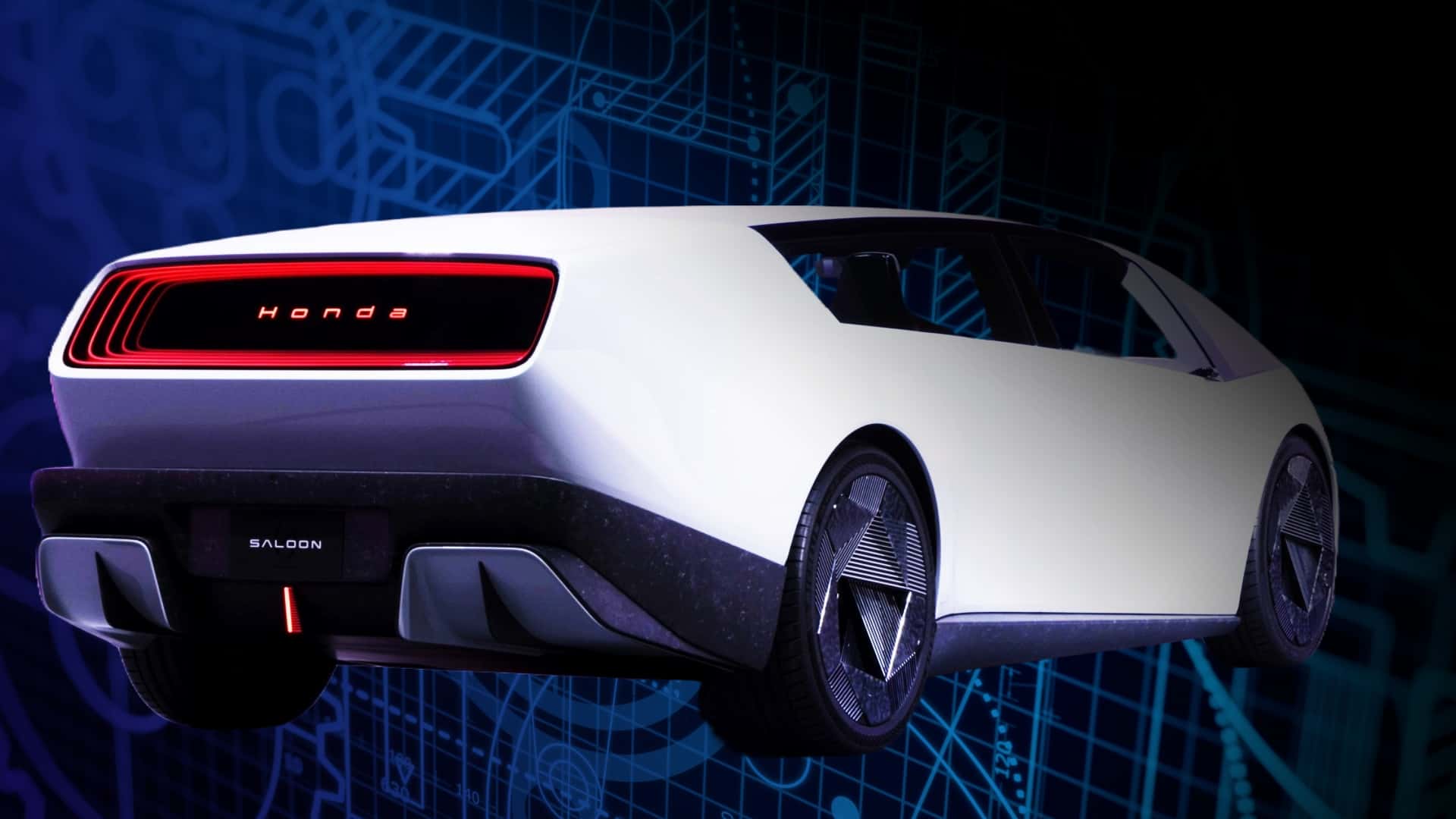
Honda is reportedly scrapping plans for its monumental $11 billion electric vehicle and battery factory in Canada, per a new report from Nikkei. The ambitious plant, initially announced in 2024, was designed to produce 240,000 EVs and 36 gigawatt-hours of batteries annually. It was a key part of Honda's strategy to compete head-on with American giants like General Motors and Ford.
While Honda has yet to officially confirm the cancellation, this development follows a series of setbacks for the automaker's EV ambitions, including the shelving of several new electric vehicles built on a dedicated platform. Earlier this year, the planned Honda 0 Series SUV and Saloon, along with the Acura RSX EV, were called off. Honda pointed to a decelerating EV market in the U.S. and challenges in matching China's pace of development. Additionally, the Acura ZDX crossover, a collaborative effort with General Motors, was pulled from the market after only a single model year.
The Honda 0 Series SUV was designed around an entirely new architecture focused on maximizing efficiency. Ultimately, not a single unit of the vehicle ever made it to the production line.
The Canadian facility was initially projected to commence operations as early as 2027, but Honda had already pushed its development back by two years. Now, however, Nikkei reports that Honda has chosen to indefinitely suspend the entire project and is currently in discussions with the Canadian government.
 View Price on Amazon
Honda's vision for a Canadian EV factory initially gained traction when the significant $7,500 federal tax credit for new EV purchases was still active in the U.S. The company had already acquired land for the massive facility and was poised to receive substantial financial assistance from the Canadian government. However, the automotive landscape in America has shifted dramatically since last year.
The Trump administration recently eliminated the $7,500 incentive for new EV acquisitions. Concurrently, the U.S. government has eased average fuel economy regulations for automakers and rescinded penalties for companies failing to meet these efficiency benchmarks. New import tariffs have also been put into effect.
These policy reversals have prompted a rapid pivot within the American auto industry, leading many to abandon or scale back EV programs in favor of investing heavily in hybrids. The financial toll is immense, with tens of billions of dollars potentially wasted on developing advanced electric vehicles that may never see production.
Honda, in particular, has been significantly impacted by these abrupt changes. The automaker, which currently offers the GM-developed Prologue EV in the U.S., is projected to face losses of up to $15.6 billion in the 2026 fiscal year as a direct consequence of this major shift in its EV strategy.
Source: insideevs.com

