It's widely known that electric vehicles (EVs) experience a reduction in driving range when temperatures drop. This behavior is inherent to battery technology and can lead some consumers to consider alternatives, such as conventional hybrids.
However, a new study from AAA sheds light on the matter, revealing that even hybrids suffer an efficiency hit in extreme temperatures. Despite this, the study still suggests that EVs are generally cheaper to operate, regardless of how hot or cold it gets outside. That said, there is one crucial factor that can flip the cost advantage in favor of hybrids.
Among the EVs evaluated by AAA was a 2025 Tesla Model Y (pre-facelift model).
To ensure fair comparisons, six models were tested on a dynamometer. Baseline values were established at an ambient temperature of 72°F. During testing, the vehicles underwent a series of procedures with their cabin air conditioning systems also set to 72°F.
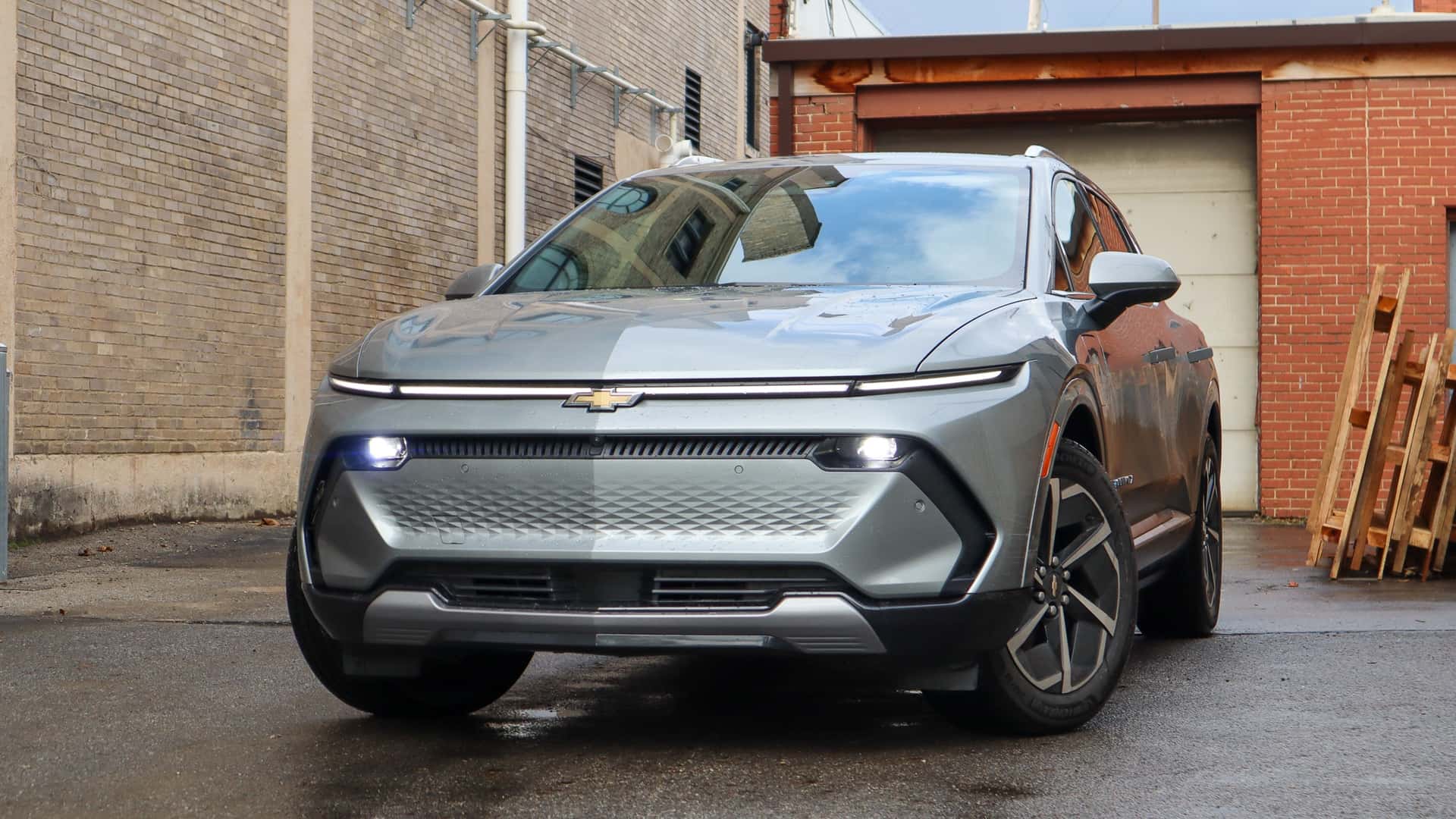
For the EV segment, AAA tested a front-wheel-drive 2025 Chevrolet Equinox EV, a rear-wheel-drive 2025 Tesla Model Y, and an all-wheel-drive 2025 Ford Mustang Mach-E. The hybrid lineup included a front-wheel-drive 2025 Toyota Prius, an all-wheel-drive 2026 Honda CR-V, and an all-wheel-drive 2025 Hyundai Tucson.
None of the test vehicles were brand new; the car with the lowest mileage registered 3,721 miles on the odometer, while the highest-mileage model had 13,296 miles.
In cold weather conditions, specifically at a constant 20°F, the three EVs in the study showed an average MPGe efficiency drop of 35.6%. This translated to an average calculated range loss of 39%. In comparison, the hybrids experienced a 22.8% decrease in fuel economy. Notably, the Tesla Model Y RWD Long Range exhibited the most significant difference between its baseline figures and those recorded at 20°F.
When subjected to hot weather, at a scorching 95°F, the study found that efficiency still decreases, but at a less severe rate. EVs demonstrated a 10.4% reduction in MPGe and an 8.5% loss of driving range compared to the 75°F baseline temperature. Meanwhile, the average efficiency of the three hybrids dropped by 12%.
 View Price on Amazon
It's a given that when efficiency drops, the number of miles you can drive on a full tank of gas or a fully charged battery also decreases, necessitating more frequent refueling or recharging to cover the same distance. Nevertheless, EVs generally maintain an advantage in terms of overall cost of ownership, even when their range diminishes by more than a third in freezing temperatures.
The study revealed that the average cost to drive an EV 1,000 miles is $87.75 when the ambient temperature is 20°F. That figure is $36.20, or 29%, less than the average hybrid cost. However, this cost advantage is only realized when charging at home, where electricity rates are typically lower than those found at public DC fast chargers. If relying solely on public charging infrastructure, EVs actually cost more to drive 1,000 miles than hybrids, regardless of the ambient temperature.
Furthermore, the EVs tested by AAA displayed the largest discrepancy between the cost of driving 1,000 miles at 75°F and at 20°F. According to the study, it costs $55.64 per 1,000 miles at moderate temperatures, but this number jumps by 55% when temperatures fall to 20°F. In contrast, the average hybrid costs $95.51 per 1,000 miles at the baseline temperature, increasing to $123.95 at 20°F, which represents a 30% increase.
“EVs are efficient in moderate temperatures but lose significant range in the cold,” stated Greg Brannon, director of automotive engineering and research at AAA. “We expected this from our previous research, but were surprised by the 23% reduction in fuel economy for the hybrids in cold temperatures. Drivers should consider climate, energy costs, and driving patterns when choosing a vehicle that best fits their lifestyle.”
As always, it's wise to take the time to research which vehicle best suits your personal needs. Modern EVs can effectively replace a gasoline car or a hybrid, and they often prove cheaper to run over the vehicle's entire lifespan—not to mention their lower lifetime emissions.
Source: insideevs.com

