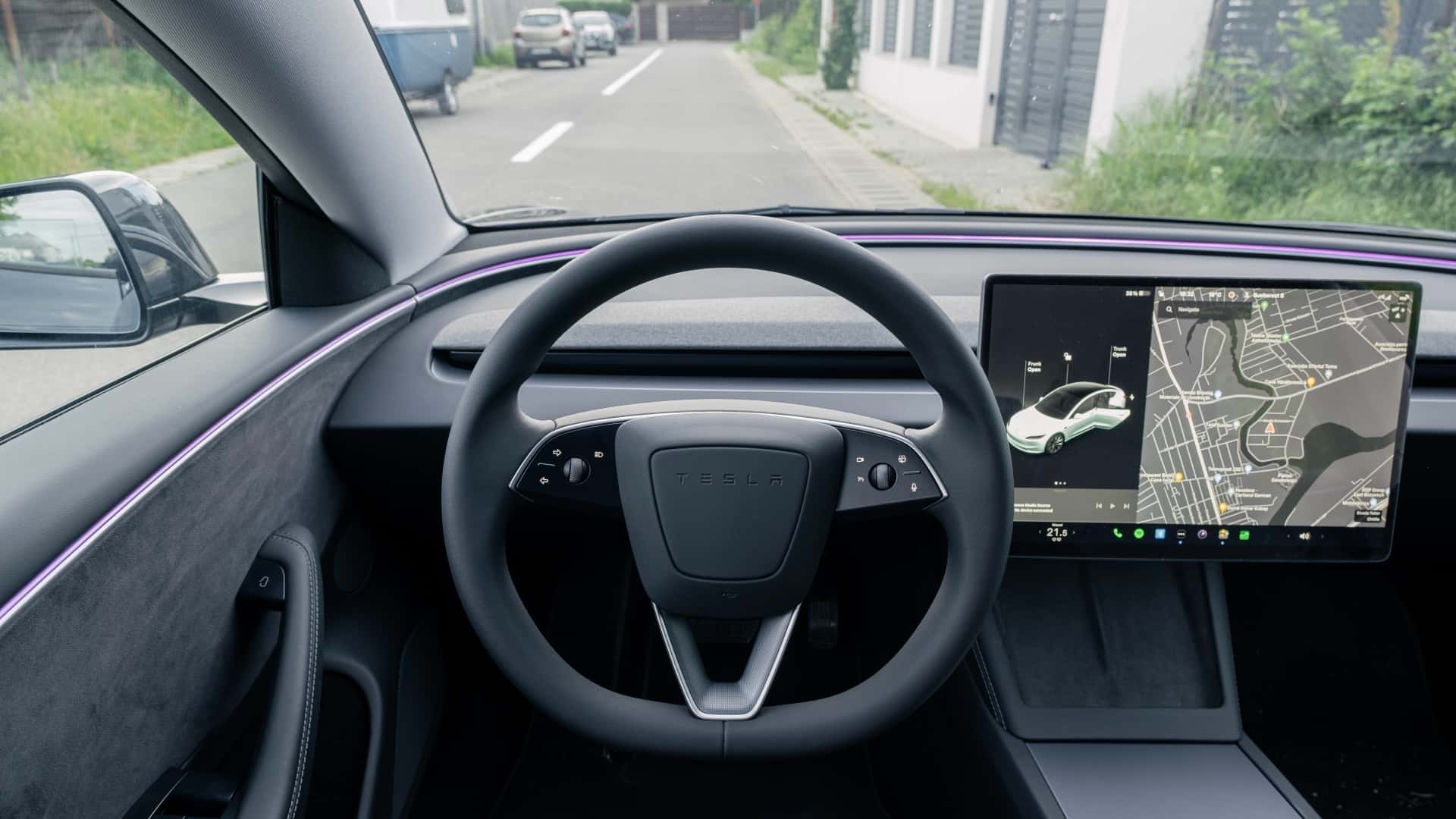
Tesla's Full Self-Driving (FSD) system was officially approved for public road use in the Netherlands in April by the country’s road safety body, the RDW. This was widely seen as a significant step toward allowing FSD to operate across the entire European Union, suggesting that a continent-wide rollout was right around the corner.
However, it appears regulators in other European countries still harbor serious concerns about FSD. Until those concerns are thoroughly addressed, the Netherlands is likely to remain the only European nation where the system is permitted. Reuters obtained emails from regulators in Sweden, Finland, Denmark, and Norway, who indicated they would review Tesla's request to recognize the Dutch FSD approval and allow its operation within their borders.
One of the key concerns raised by Hans Nordin from the Swedish Transport Agency was Tesla's allowance for FSD to exceed the posted speed limit. He argued unequivocally that this functionality should not be permitted. Similarly, Jukka Juhola from Finland's transport authority questioned how effectively FSD would perform on roads covered in treacherous ice and snow.
Juhola specifically asked, “Are they really introducing a system that allows hands-free driving also on icy 50 mph roads?” He pondered how a Tesla operating on FSD would manage a sudden avoidance maneuver on such slick surfaces. The misleading nature of the "Full Self-Driving" moniker also came up, with regulators arguing it could confuse users by greatly overstating the system's true capabilities.
Another point of contention was whether FSD would permit drivers to use their phones while the car is in automated driving mode. Tesla intends to roll out "FSD Supervised" in Europe, which explicitly requires the driver to maintain their eyes on the road and remain fully attentive.
 View Price on Amazon
Despite these reservations, some regulators acknowledged FSD's impressive capabilities. They were also reportedly “inundated with emails from Tesla enthusiasts pushing for approval.” This surge of correspondence was actually instigated by Tesla itself, which encouraged owners to lobby regulators to expedite the approval process. This tactic, however, likely did little to hasten the process outside the Netherlands, and it may even have had the opposite effect, frustrating various officials.
One Norwegian official reportedly stated that regulators would have to dedicate time to respond to “misled consumers.” Tesla’s EU policy manager later conceded that such emails were generally “not helpful” to the approval process.
Dutch regulators have yet to release the detailed data they used to grant FSD approval in their country. Until this information is made public, other European nations will understandably remain skeptical. This lack of transparency could significantly slow down broader approval until the RDW publishes its FSD research findings.
For FSD to gain approval across the entire EU, representatives from 55% of member states and 65% of the total population must cast a "yes" vote. No such vote was scheduled this week, with the next committee meetings slated for July and October. Today, Dutch officials are expected to explain to an EU committee why they cleared Tesla’s FSD for use—and why they believe the rest of Europe should follow suit.
Source: insideevs.com

