When to Switch to Summer Tires: The Definitive 2026 Guide
Timing the seasonal switch is more than just a chore; it is a critical safety decision that impacts your car's braking, steering, and overall life-cycle costs. At Tire.Guide, we look at the thermodynamic data, not gut feeling, to tell you exactly when those winter tires become a liability. Most drivers rely on vague rules like “when it feels warm enough” or “after Easter,” but your tires don’t care about holidays—they care about temperature, load, and friction.
Think of your tires as the only connection between a one-and-a-half-ton machine and the road. Every acceleration, every lane change, every emergency maneuver is filtered through four contact patches roughly the size of your hand. If those patches are made from the wrong compound for the season, you are effectively driving with the wrong tool for the job. This guide is designed to remove the guesswork and give you a data-backed framework for switching at the right time, every year.
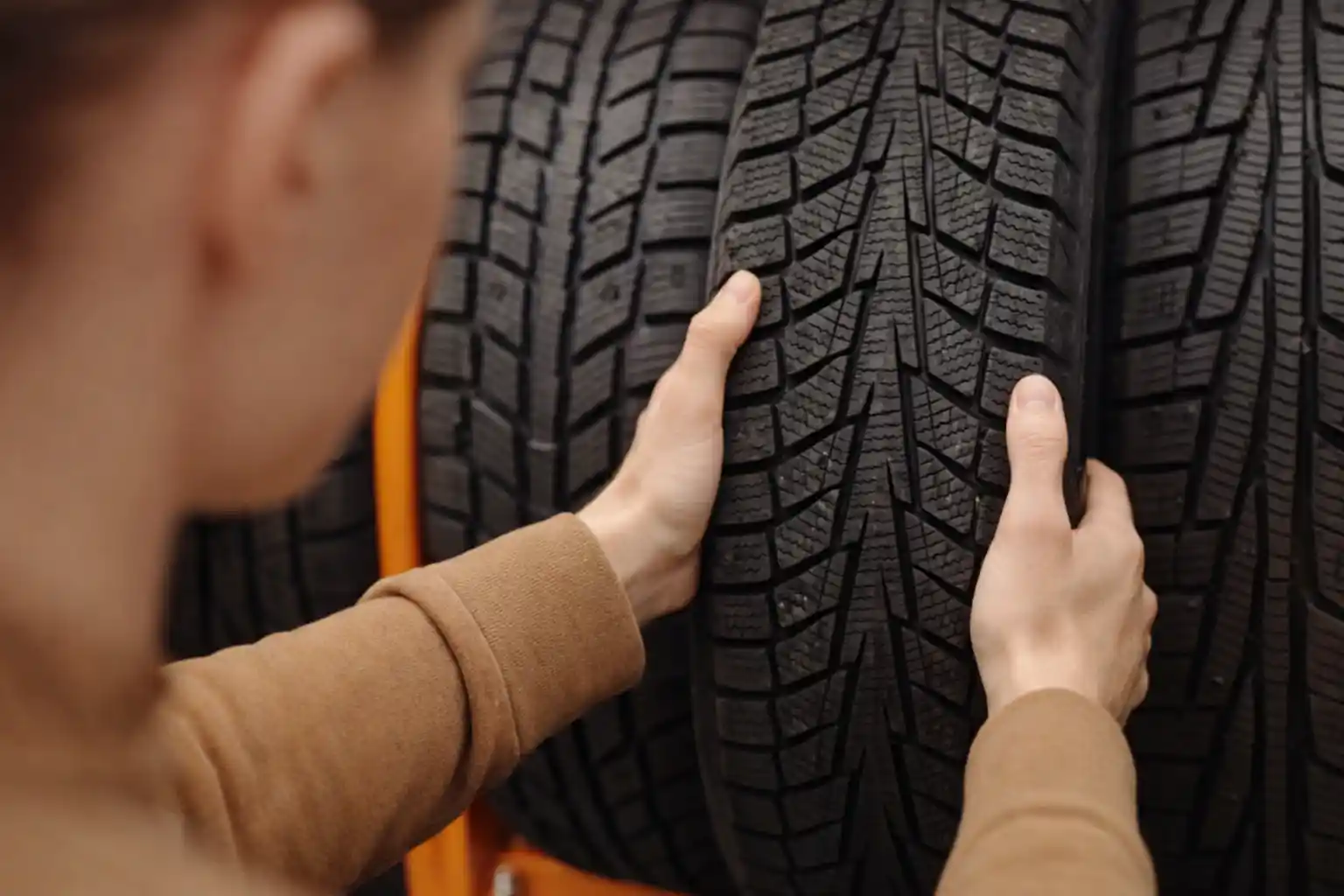
The 7°C / 45°F threshold explained
Every tire compound is engineered to operate within a specific thermal window. Winter tires are infused with high silica content and natural rubber to stay soft and flexible in freezing temperatures. This softness is what allows them to bite into snow and ice instead of sliding over it. However, as soon as the ambient temperature consistently stays above 45°F (7°C), this soft compound starts working against you instead of for you.
Above this threshold, the rubber in winter tires becomes excessively pliable. The tread blocks flex and deform more than intended, especially during cornering and braking. This deformation generates heat, and that heat accelerates chemical aging inside the rubber. What feels like “extra grip” at low speeds can actually translate into vague steering, longer stopping distances, and dramatically faster wear at highway speeds. In other words: what keeps you safe in January can quietly cost you money and control in April.
Summer tires, on the other hand, are designed with a stiffer compound that only reaches its optimal grip once the pavement warms up. On a cold morning, they may feel a bit wooden, but as the day progresses and the road temperature rises, they lock into their ideal operating range. This is why performance cars are always tested and rated on summer tires in warm conditions—their entire design philosophy assumes a harder compound and higher friction coefficient at elevated temperatures.
Increased fuel consumption when running winter tires in warm weather, due to higher rolling resistance and tread squirm.
Faster tread wear during a single week of driving above 60°F on winter rubber compared to proper summer tires.
On the tire rating chart, summer tires are ranked for heat dissipation and high-speed stability. When you drive winter tires in the spring heat, the tread blocks "squirm" excessively. This micro-movement creates internal friction, which in turn generates heat inside the carcass. Over time, this heat causes the rubber to degrade at a molecular level, hardening the compound and reducing its effectiveness for the next winter season. This is why a "late switch" can take 5,000 miles of life off your winter tires in just a few days of warm-weather driving.
Another hidden cost is noise and comfort. Overheated winter tires can start to feather and cup, creating uneven wear patterns that lead to a loud, droning ride. Many drivers blame their suspension or wheel bearings when, in reality, the problem started with running the wrong tires in the wrong season. By respecting the 7°C / 45°F rule, you not only protect your wallet but also preserve the refinement and comfort your car was designed to deliver.
Predicting the transition
Don't switch after the first warm day. That’s one of the most common mistakes. You need a consistent 7-day average where the morning temperatures do not dip below freezing and the daytime highs regularly climb into the low teens Celsius (50s Fahrenheit). A single sunny afternoon does not mean the asphalt has fully warmed up, especially in shaded areas, bridges, or rural roads that cool quickly overnight.
If you switch too early, a late-season frost or cold snap can turn your summer tires into hard, slippery "plastic" pucks with dramatically reduced grip. Modern summer compounds are optimized for warm, not icy, surfaces. In borderline conditions—say, 0–5°C with wet roads—summer tires can feel nervous and unpredictable, especially during emergency maneuvers. That’s why the timing window is so important: you want to exit the winter tire’s safe zone only once you’re firmly inside the summer tire’s comfort zone.
A practical approach is to monitor your local 10-day forecast and pay attention to overnight lows. Once you see a stable pattern where temperatures stay above freezing and daytime highs are consistently above 10–12°C, you can confidently schedule your tire change. If you drive in mountainous regions or on roads that are exposed to microclimates (valleys, forests, coastal humidity), give yourself a slightly larger safety margin and wait an extra few days.
🏎️ Pro Observation:
Summer tires provide up to 20% more steering precision than all-seasons in the heat. If your car feels "floaty" or delayed in its responses during April or May, you are likely still riding on a compound that is too soft for the current pavement temperature. That vague feeling in the steering wheel is your tire sidewalls and tread blocks flexing more than they should.
Essential gear: Check your pressure
Transitioning seasons means massive air pressure fluctuations. Air expands when heated and contracts when cooled, which means the pressure you set in November is not the pressure you will have in April. Underinflated tires increase rolling resistance, fuel consumption, and heat buildup, while overinflated tires reduce the contact patch and can compromise braking and comfort. Both extremes accelerate uneven wear.
Every time you switch between winter and summer sets, treat it as a reset moment for your tire maintenance routine. Check the recommended pressures on the driver’s door jamb or in the owner’s manual—not on the tire sidewall. The values printed on the tire are maximum ratings, not the ideal pressures for your specific vehicle. Use a reliable gauge and measure pressures when the tires are cold, ideally first thing in the morning before driving.
Owning a portable inflator is one of the simplest ways to protect your tire investment. Instead of relying on questionable gas station compressors, you can fine-tune your pressures at home, in your driveway, whenever the weather changes. This is especially useful during shoulder seasons, when a sudden cold front can drop your pressures by several PSI overnight.
Shop Portable Inflators on Amazon ➝Quick seasonal checklist
- Measure cold pressures: Always check in the morning before driving for an accurate reading.
- Adjust for load: If you often drive with passengers or cargo, use the “full load” pressure values.
- Re-check after one week: After switching tires, re-check pressures once the new set has settled on the rims.
- Inspect visually: Look for cracks, bulges, or uneven wear before committing to another full season.