The Orange Cone Jungle: Surviving America's Highway Reconstruction
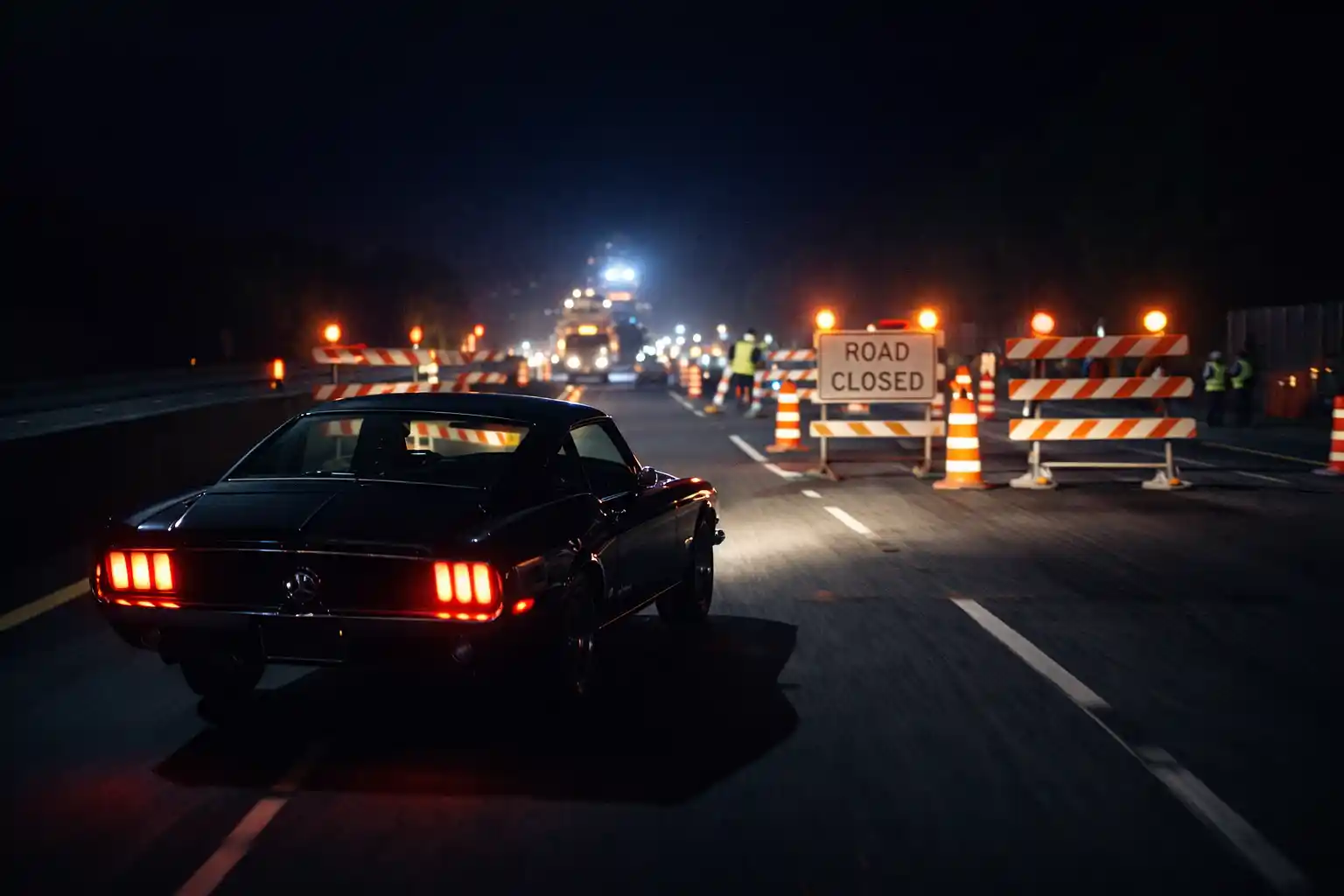
With the passing of massive infrastructure bills, the US Interstate system has turned into one giant construction zone. From I-95 in Florida to I-5 in California, drivers face narrowing lanes, shifting traffic patterns, and concrete barriers. This guide explores the dangers of the modern "Work Zone" and how to navigate them without becoming a statistic.
The Statistics of Chaos
According to the National Highway Traffic Safety Administration (NHTSA), over 100,000 crashes occur in work zones annually. The most dangerous factor isn't actually debris—it's speed variance. When traffic abruptly slows from 75 MPH to 45 MPH, the kinetic energy must dissipate instantly.
Drivers often ignore the "Construction Ahead" signs until the last second, leading to panic braking. This creates a shockwave effect (traffic phantom jams) that causes rear-end collisions miles behind the actual lane closure.
The "Zipper Merge" Debate
One of the most controversial aspects of US highway driving is the merge. Americans are polite; we tend to merge miles before the lane ends. Science says this is wrong.
The Early Merge (Polite)
Drivers merge 1 mile before the lane closes. This leaves one lane empty for a mile, effectively cutting the road capacity by 50% unnecessarily and extending the backup.
The Zipper Merge (Efficient)
Drivers use both lanes all the way to the merge point, then take turns (1-for-1). This utilizes full road capacity and reduces the length of the traffic jam by up to 40%.
While the Zipper Merge is efficient, attempting it in states where it's not culturally accepted can lead to road rage. However, states like Minnesota, Washington, and Missouri are now actively campaigning to teach drivers this technique.
⚠️ The Concrete Barrier Risk:
In construction zones, the shoulder is often removed. You are driving next to concrete "Jersey Barriers." This leaves zero margin for error. If a tire blows out or you lose traction here, there is nowhere to go but into the wall or into traffic.
To protect yourself in these high-risk zones, documenting the behavior of other drivers is essential. Insurance fraud and hit-and-runs are common in confusing lane shifts.
Shop Top-Rated Dash Cams on Amazon