The 2026 Insurance Revolution: How AI and Real-Time Telematics Redefined Automotive Ownership
Introduction: The Death of the Static Premium
As of February 6, 2026, the traditional insurance model—based on age, zip code, and historical accidents—is officially obsolete. We have entered the era of Behavioral Actuarial Science. Today, your insurance premium is a living, breathing metric that updates every 60 seconds based on your driving data. This shift isn't just about cost; it is a fundamental driver of vehicle Quality and road Safety. By rewarding those who maintain their vehicles and drive with precision, AI has turned the insurance industry into a proactive guardian of public welfare.
Before hitting the road, consulting a tire guide to ensure peak Quality and Safety is no longer just a suggestion—it's a financial necessity in this data-driven landscape.
Chapter 1: The Anatomy of the 2026 AI Underwriter
To understand the current landscape, one must look at the technology integrated into modern platforms like the Ford Omni-platform and Tesla's "Full Stack" insurance.
1.1 The Sensor Suite Integration
In 2026, insurance companies no longer rely on a small OBD-II dongle. They have direct, API-level access to the car’s sensor suite.
- LiDAR and Radar Data: The AI analyzes how often your Automatic Emergency Braking (AEB) system is triggered. Frequent triggers suggest a lack of "Safety-First" distance, even if no accident occurs.
- In-Cabin Monitoring: Using infrared cameras, the AI tracks eye-movement and head-position. Distracted driving is detected in milliseconds, resulting in a temporary "Risk-Surcharge" for that specific trip.
1.2 The "Reliability" Score
For the first time, vehicle maintenance is directly linked to your premium. The AI monitors the health of your TPMS (Tire Pressure Monitoring System) and brake pad thickness. A driver who ignores a low **tire pressure** warning for more than 48 hours is flagged for "Negligent Maintenance," lowering their Quality score and increasing their deductible. Finding a specialized **tire online** and maintaining it correctly is now a core part of your financial Reliability.
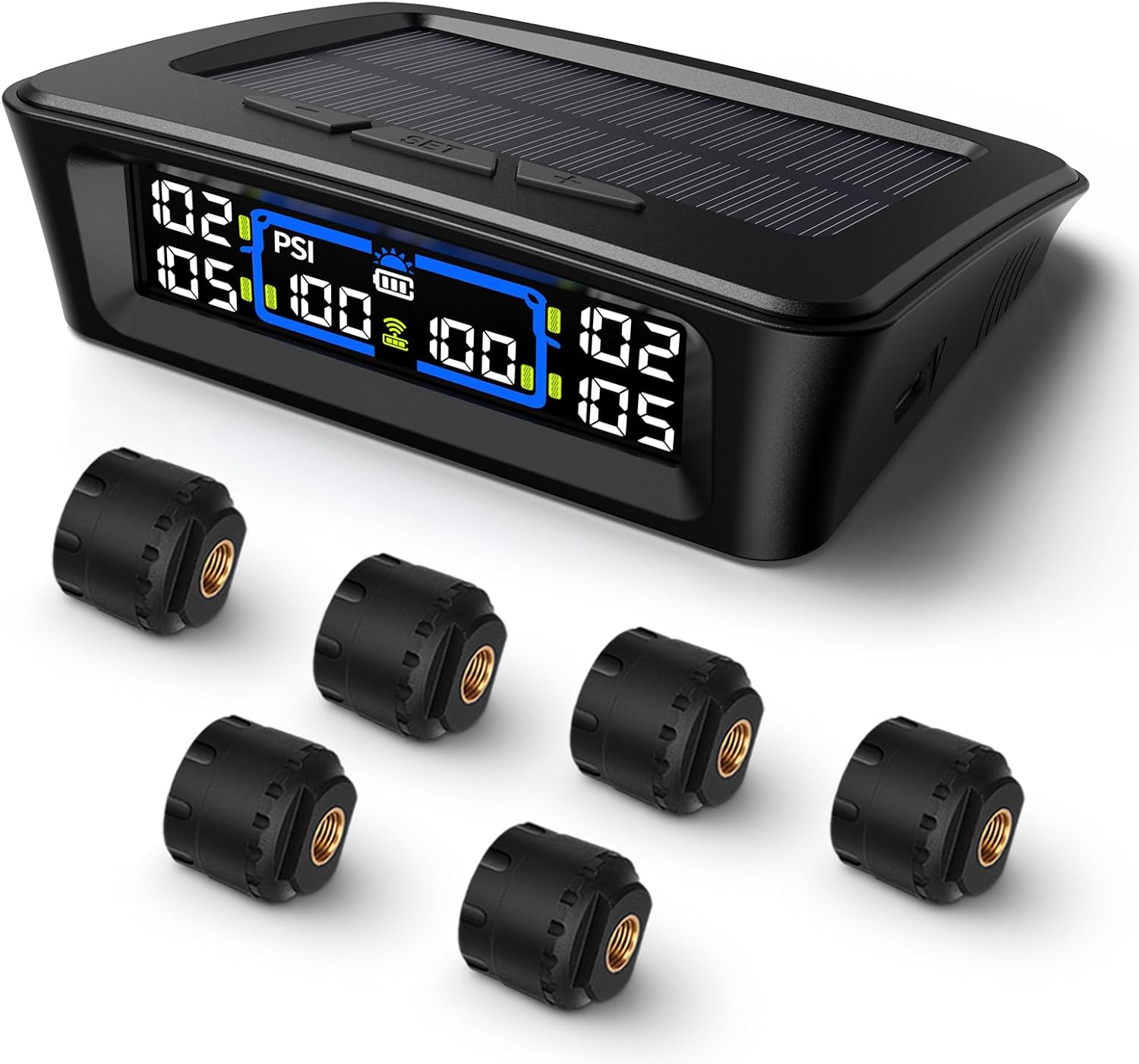
Maintenance Grade Booster: Smart TPMS Sensor Kit
Protect your Insurance Maintenance Grade. This high-precision, solar-powered TPMS kit provides real-time **tire pressure** alerts to your phone, ensuring you never get flagged for negligent maintenance in the 2026 ecosystem.
View on AmazonChapter 2: Real-Time Telematics and the "Safety Dividend"
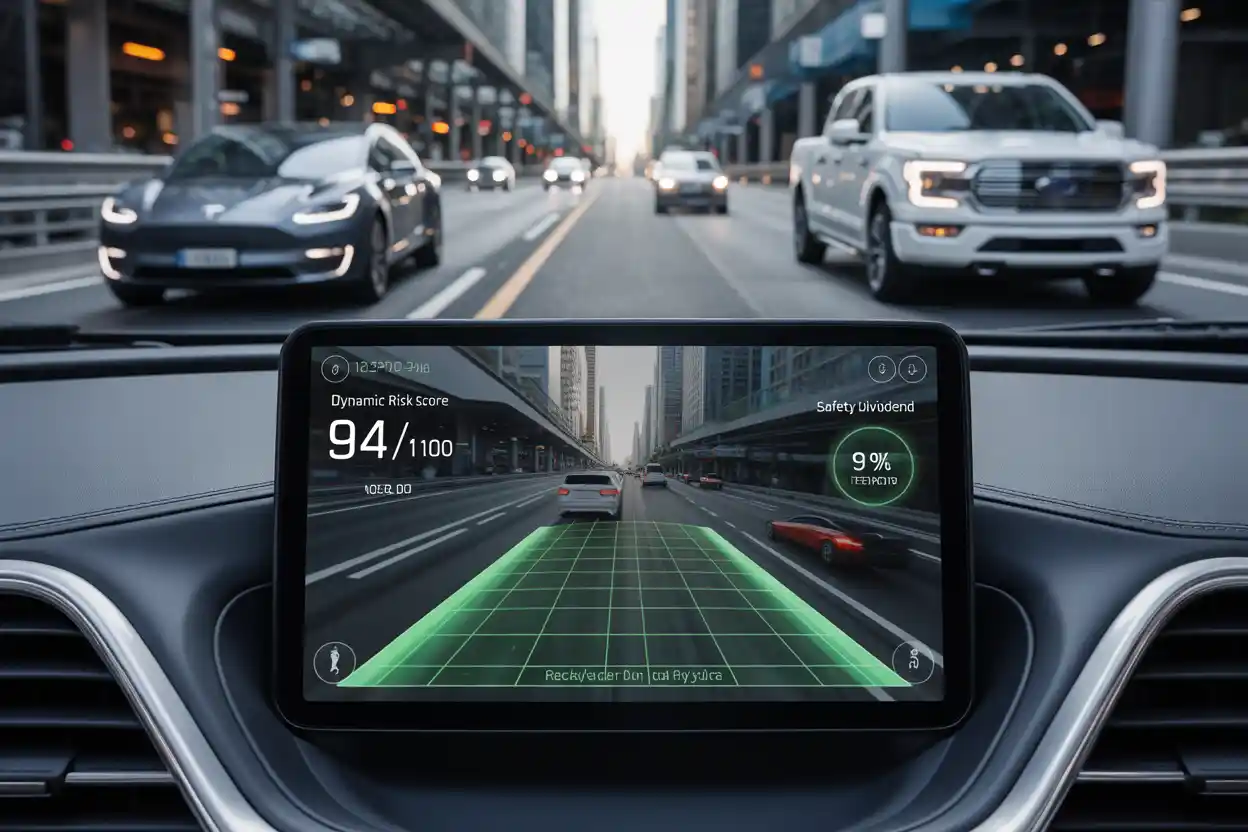
The most significant impact of AI insurance in 2026 is the Safety Dividend. This is a financial incentive system that has effectively gamified road safety.
2.1 Dynamic Risk Corridors
Imagine driving through a high-traffic urban area during a rainstorm. In 2026, your car’s HUD (Head-Up Display) shows a "Dynamic Risk Zone." If you maintain a smooth speed and increase your following distance, the AI credits your account in real-time. This proactive approach has led to a 30% reduction in "fender-bender" accidents globally, as drivers prioritize Reliability and smoothness over speed.
2.2 The "Ghost Driver" Benchmark
AI models now compare your driving to a "Perfect Driver" simulation tailored to the specific road conditions, weather, and traffic density. This benchmark ensures that Quality driving is judged objectively, regardless of whether you are in a crowded city or a deserted highway. Check our knowledge hub for tips on perfecting your digital score.
Chapter 3: The Ethical Frontier – Privacy vs. Safety
With total data transparency comes the question of privacy. In 2026, the industry has settled on a "Consent-for-Value" model.
3.1 Data Encryption and Sovereignty
To maintain the Reliability of user trust, 2026 insurance platforms use blockchain-based encryption. Your raw driving data—exactly where you went and what you did—is processed on the car's local AI chip. Only the "Risk Score" result is transmitted to the insurer. This protects personal privacy while maintaining the Safety benefits of a monitored network.

Safety Dividend Tool: Professional GPS HUD Display
Keep your eyes on the road and your Safety Score high. This universal Head-Up Display projects your risk score and speed directly onto the windshield, helping you stay in the 'Green Zone' for maximum insurance credits.
Check Price on AmazonChapter 4: Impact on the Secondary Market
The 2026 AI-driven insurance model has fundamentally changed how we buy used cars.
4.1 The "Certified Safe" Pedigree
When buying a 2024 Tesla Model Y or a 2025 Ford F-150 in the 2026 used market, the most valuable document is the "AI Insurance Lifetime Log." This log proves that the car was driven with Quality and maintained with Reliability. A car with a "Platinum Safety Grade" can sell for 20% more than a car with an unknown or poor insurance history. This transparency is a key pillar of our 2026 knowledge hub recommendations.
Chapter 5: Looking Toward 2030 – The Autonomous Shift
As we look forward, the role of insurance is shifting from the driver to the software. If a 2026 vehicle is in "Level 4" autonomous mode, the insurance liability shifts entirely to the manufacturer’s Quality assurance department. This is driving a massive surge in software Reliability testing, as companies like Ford and Toyota are now financially responsible for every decision their AI makes.
📊 Summary of Key 2026 Insurance Metrics:
- Safety Score: Based on braking, cornering, and distraction-free driving.
- Maintenance Grade: Calculated through real-time TPMS and diagnostic monitoring.
- Risk Zone Awareness: Adjusting driving behavior based on AI-predicted environmental hazards.
- Software Liability: The transition of insurance costs from the individual to the manufacturer during autonomous operation.
Conclusion: A Safer World Through Data
The integration of AI into vehicle insurance is the most significant Safety advancement since the invention of the three-point seatbelt. It has forced a global conversation on Quality driving and technical Reliability. For the 2026 consumer, the message is clear: the better you care for your car and the more responsibly you drive, the more the system rewards you.
The Tire.Guide Actuarial Team - Redefining Risk in the 2026 Landscape.