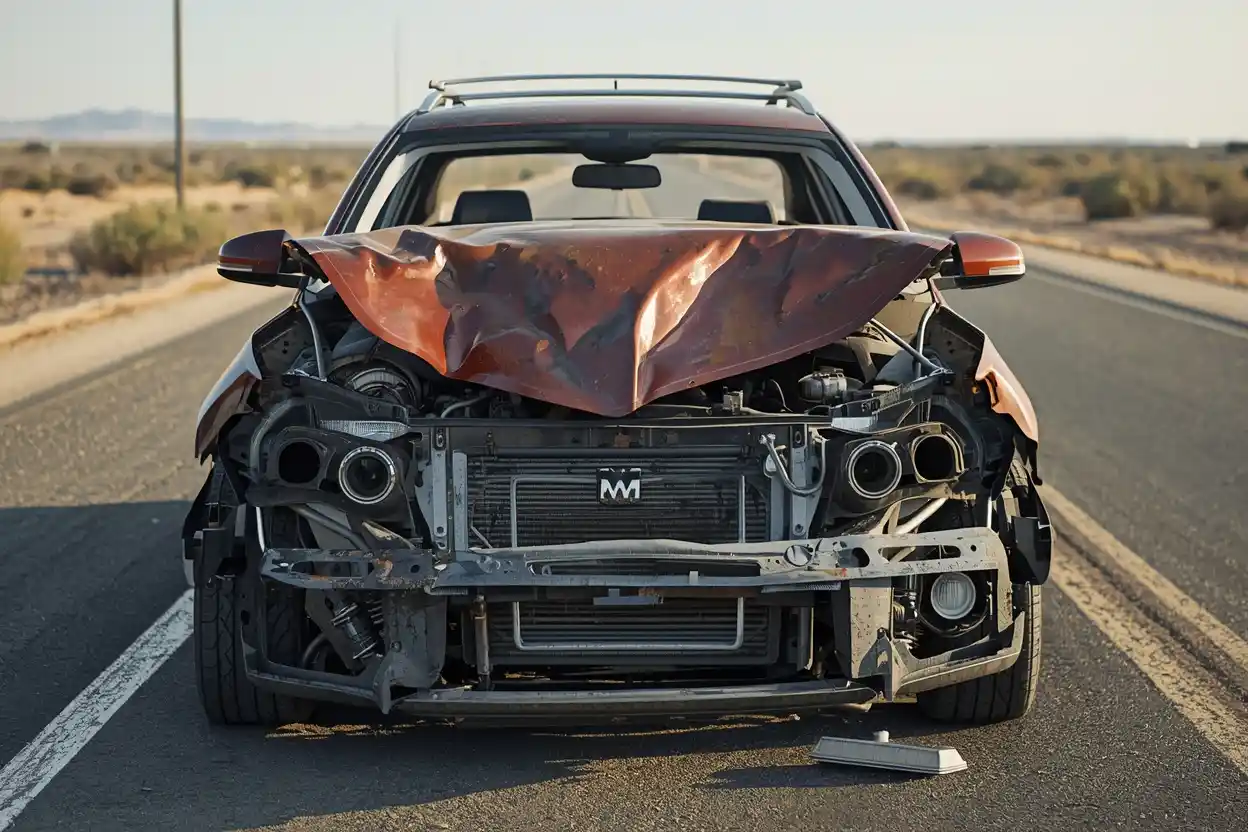
Imagine this: You buy a new car for $45,000. Three months later, it’s totaled in an accident. Your insurance company writes a check for the "fair market value"—which is now only $38,000. But your loan balance is still $43,000. You now owe the bank $5,000 for a car you can no longer drive. This is where GAP insurance becomes your best friend.
Leasing Standard
Good news! Most luxury leases (like BMW, Mercedes, or Tesla) already include GAP insurance in the contract. Never pay extra for it at a dealership if you are leasing until you've checked your fine print.
Financing Risk
If you put down less than 20% on a new car loan, you are at high risk. The "gap" between your debt and the car's value is at its widest in the first 24 months of a loan.
When Do You Absolutely Need GAP?
Don't let the dealership pressure you if it doesn't make sense. You only need GAP insurance if:
- You made a down payment of less than 20%.
- You financed for 60 months or longer.
- You rolled "negative equity" from your old car into the new loan.
- The vehicle has a very high depreciation rate (like high-end EVs or luxury sedans).
How to Cancel GAP Insurance
If you’ve paid off your loan early or sold your car, you are entitled to a pro-rated refund of your GAP insurance premium. Many Americans leave hundreds of dollars on the table because they forget to file the cancellation form with the provider.
Search Insurance Savings on AmazonConclusion
GAP insurance isn't a scam—it's a tool. If you are "upside down" on your loan, it’s a vital safety net. But in 2026, the smart money gets that coverage through their regular insurance provider, not the dealer's finance office.