1970 Dodge Challenger R/T: Technical Mastery
From the high-impact colors to the shaker hoods, the 1970 Challenger was the final, loudest word in the original muscle car era. Let's look at the mechanical DNA that made it a legend.
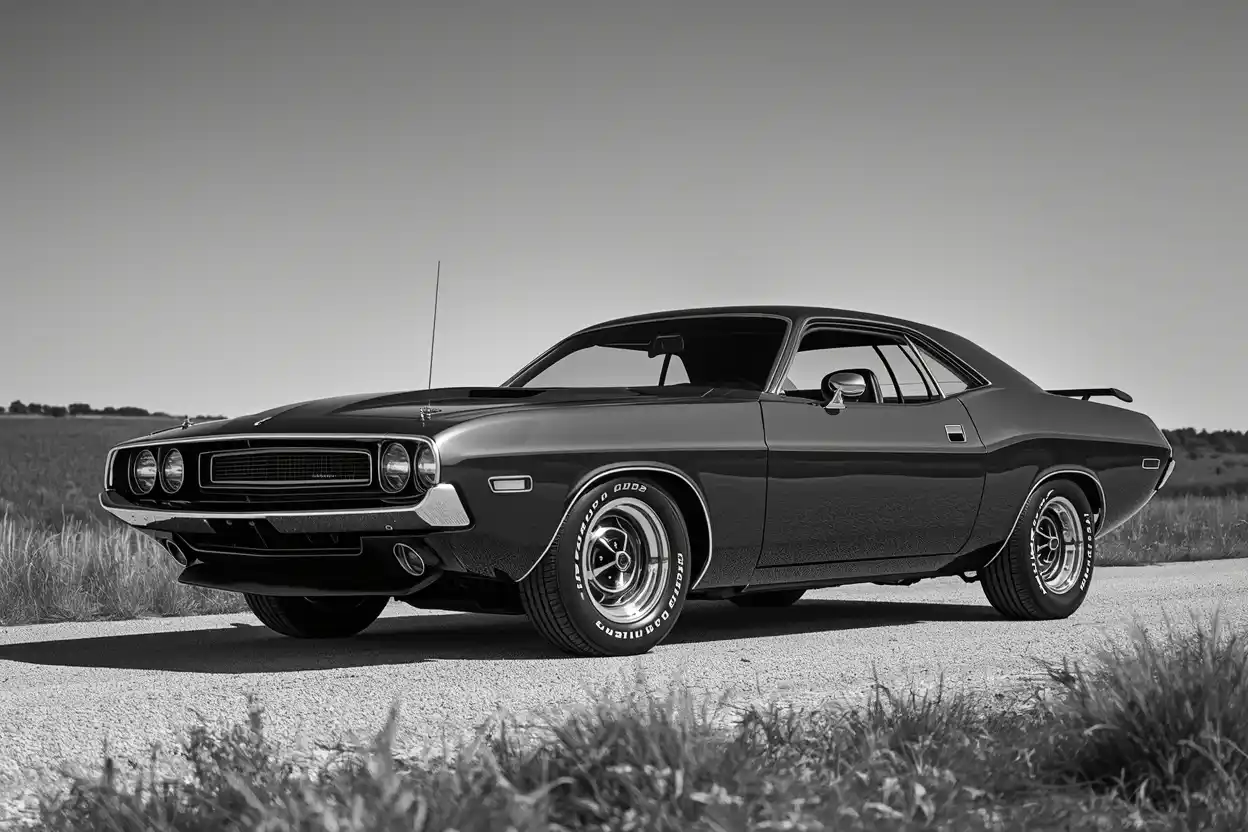
The 440 Six Pack: A Triple Threat
While the Hemi was the king of the drag strip, the 440 Six Pack was the king of the street. Managing three carburetors required a master's touch in mechanical synchronization. The outboard carburetors were purely vacuum-driven, meaning they only screamed to life when the engine truly demanded the airflow.
Engine Blueprint: V-Code 440
- Induction: 3x2-Barrel Holley Carbs
- Power: 390 Gross HP
- Torque: 490 lb-ft @ 3200 RPM
- Oil Capacity: 5 Quarts (High Performance Pan)
The Chassis: Torsion Bars and Heavy Metal
Mopar engineers favored torsion bars over coil springs because they allowed for easier adjustment of ride height and left more room for those massive exhaust manifolds. However, a 50-year-old torsion bar can lose its "spring," leading to a sagging front end and poor alignment geometry.
🛠️ Shop Suspension Upgrades on AmazonTire Fitment and Modern Safety
If you're still running bias-ply tires on your E-body, you're driving on borrowed time. Modern radial tires significantly reduce the "darting" sensation common on old Challengers. For the perfect 1970 look with 2026 performance, we recommend a staggered radial setup.
Check out our recommended staggered tire sets for the authentic muscle car rake.
🛑 Shop Disc Brake Conversions on AmazonThe Verdict
The 1970 Challenger R/T is a visceral, loud, and demanding machine. By upgrading the brakes, tires, and ignition system, you can transform this 50-year-old beast into a reliable cruiser that still commands respect at every stoplight.